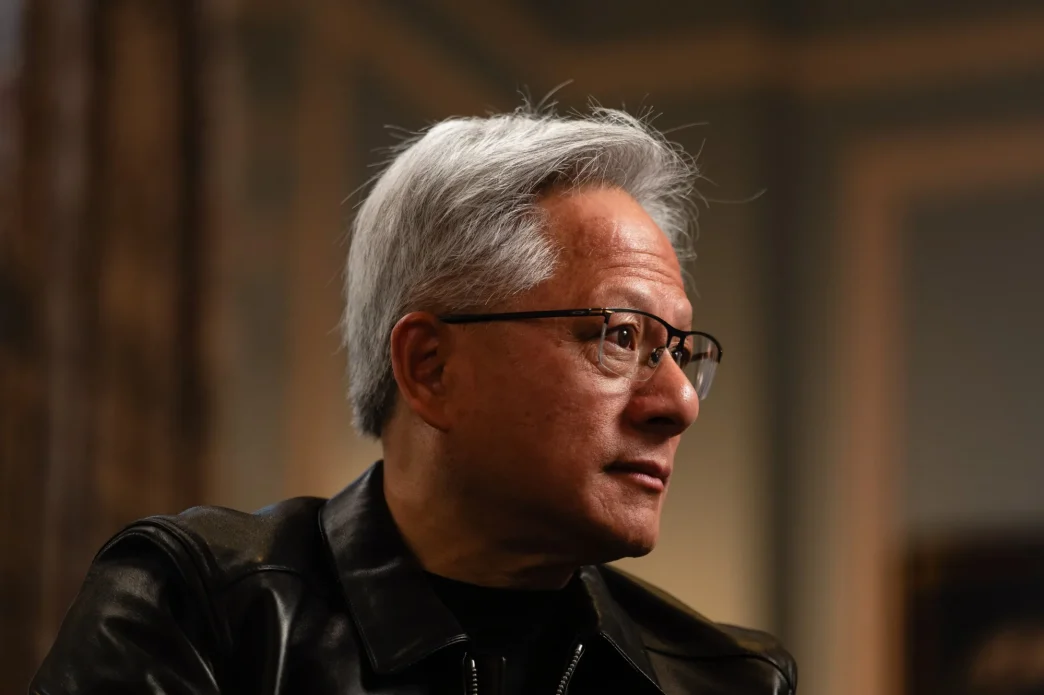
Nvidia said on Sunday that it has opened an investigation into Jensen Huang, its chief executive and the public face of the artificial intelligence boom. The move came after Huang acknowledged a romantic relationship with a business executive whom United States intelligence officials determined was working for China.
The revelation is more than a personal scandal. Huang has become perhaps the most closely identified leader in the global technology industry, and Nvidia’s chips are treated as the essential infrastructure of the generative AI era. When investors buy AI optimism, they are often buying Huang’s vision as much as they are buying the company’s silicon.
That concentration of importance is now a vulnerability. Key-person risk is usually discussed in boardrooms as an abstract concern. In this case, it is concrete: one individual’s judgment is alleged to have created a national security problem for a company that supplies the backbone of America’s most strategic computing sector.
The AI rally has rested on a simple narrative. Demand for compute power is insatiable, Nvidia’s data center chips dominate that market, and Huang’s aggressive product roadmap will keep competitors at bay. That story has made Nvidia one of the world’s most valuable companies and helped power a broad market advance.
Yet the episode shows how much that narrative depends on a single person. Huang is not merely a CEO. He is the chief evangelist for AI infrastructure, the strategist who turned a gaming graphics company into the engine of machine learning, and the figure who sets the tempo for an entire industry’s investment cycle.
Corporate governance questions will follow quickly. Boards are supposed to manage exactly this kind of risk, ensuring that no individual becomes indispensable and that personal conduct does not compromise company interests. If the investigation finds that Huang was careless with sensitive information or relationships, the damage could extend well beyond reputational harm.
Investors have largely shrugged off governance concerns while Nvidia's revenue and margins kept expanding. The current situation may test that patience. A leadership distraction at the top of the AI food chain arrives at a moment when competition is intensifying, customers are designing their own chips, and regulators are scrutinizing the industry's concentration of power.
Whether Huang survives the investigation or not, the episode is a reminder that no company, and no rally, is bigger than the judgment of the people running it. For Nvidia, proving that it can outlast its founder may now be its most important product launch yet.