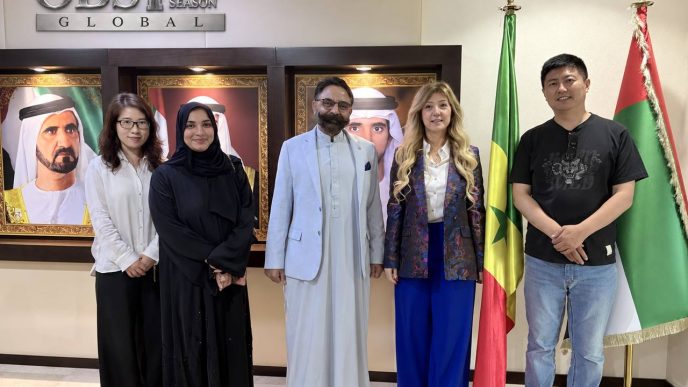
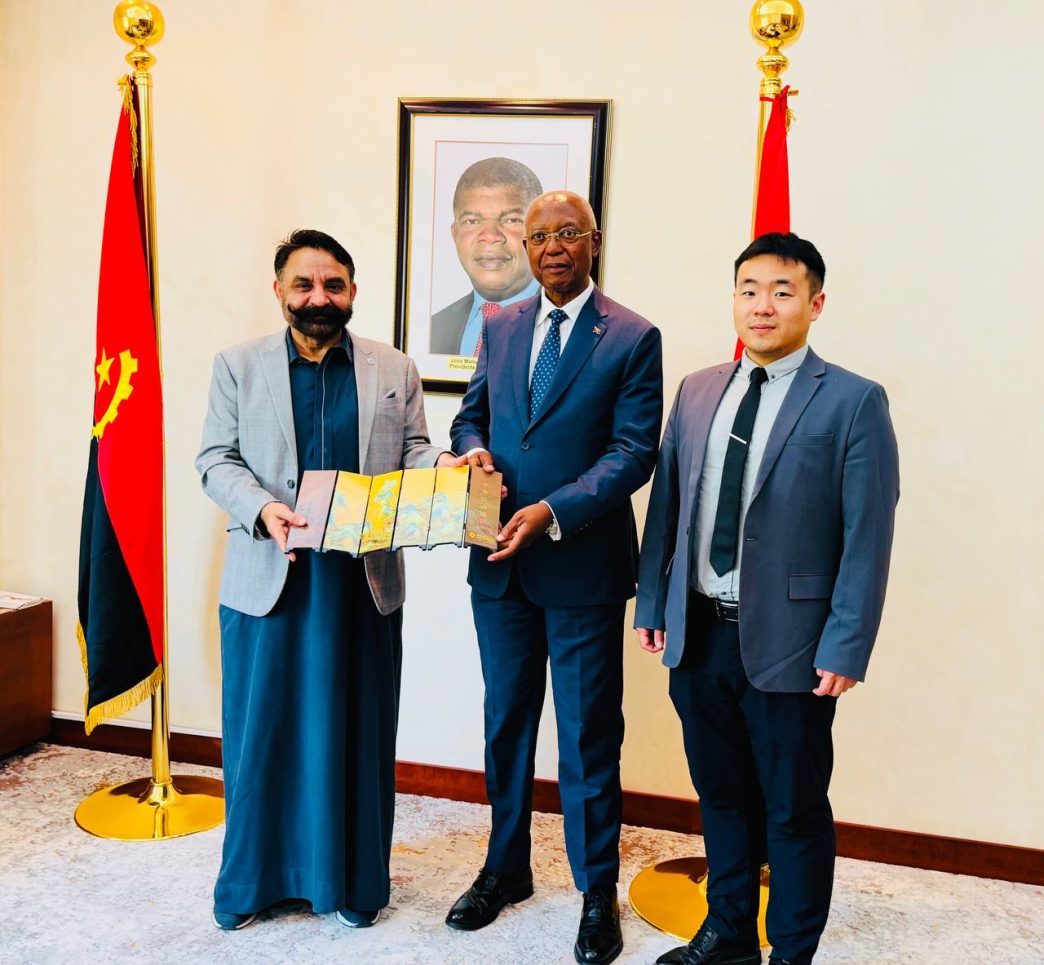
A recent high-level discussion involving His Excellency Ambassador Mr. Júlio Belarmino Gomes Maiato of Angola’s Embassy has cast a sharp focus on the evolving landscape of business collaboration across Africa. The dialogue, which centered on initiatives like OBS – One Business Season, the automotive sector, and broader industrial development, underscores a significant shift in how international partners view the continent. No longer merely a land of future promise, Africa is now firmly positioned as a realm of immediate, tangible opportunity, driven by demographic shifts, escalating consumer demand, and a rapidly maturing business environment.
The conversation highlighted Angola’s pivotal role in this transformation. Its strategic geographic position, rich natural resources, and a youthful demographic provide a robust foundation for industrial expansion and increased trade. This isn’t just about resource extraction; it’s about fostering sustainable growth through targeted investment, industrial cooperation, and the crucial exchange of knowledge. As Ambassador Maiato’s discussions reveal, the continent’s future will be forged not through passive observation, but through proactive engagement and courageous partnerships that transcend traditional commercial transactions.
The concept of OBS – One Business Season emerged as a key component in this strategy. Envisioned as more than a conventional trade fair, OBS aims to be a dynamic platform uniting decision-makers, diplomats, investors, and industry experts. Its core purpose is to translate dialogue into concrete cooperation and, ultimately, into measurable business outcomes. For Angola and other African markets, OBS offers a vital conduit for connecting with international companies seeking responsible and sustainable expansion. Through carefully curated sessions focusing on investment, sector-specific meetings, and partnership development, the platform seeks to demystify local market requirements and facilitate the formation of credible, long-term relationships. The emphasis is squarely on action, moving beyond mere conference halls to actively open markets and forge serious partnerships that yield lasting opportunities.
Crucially, the success of such initiatives hinges on mutual value creation. True partnerships, as discussed, must generate employment, bolster local capabilities, transfer essential technology, and strengthen domestic industries. They must also champion young entrepreneurs and establish avenues for African businesses to access global markets, capital, and expertise. This requires international companies to approach African markets with a deep understanding of local realities and a commitment to national priorities, investing in long-term capacity building. Conversely, African businesses must be supported in enhancing governance, improving quality standards, adopting new technologies, and achieving financial readiness to compete on an international stage. OBS is designed to bridge this gap, allowing international investors to identify genuine opportunities while empowering African enterprises to present credible, investment-ready projects.
A significant portion of the recent discussions also converged on the automotive industry, recognizing its intrinsic link to economic advancement. Reliable transportation is the backbone of any growing economy. Commercial vehicles are indispensable for businesses, affordable mobility is a necessity for families, and efficient transport systems are vital for farmers to bring their produce to market. Governments require robust public service fleets, while construction companies depend on heavy machinery. Logistics providers, too, are constantly in need of trucks, vans, and delivery solutions. The development of a robust automotive sector, therefore, is not merely about manufacturing cars; it is about enabling the broader economic ecosystem to thrive, creating jobs, and facilitating the movement of goods and people across the continent. This holistic view underscores the strategic thinking behind Angola’s push for deeper collaboration and industrial growth across Africa.