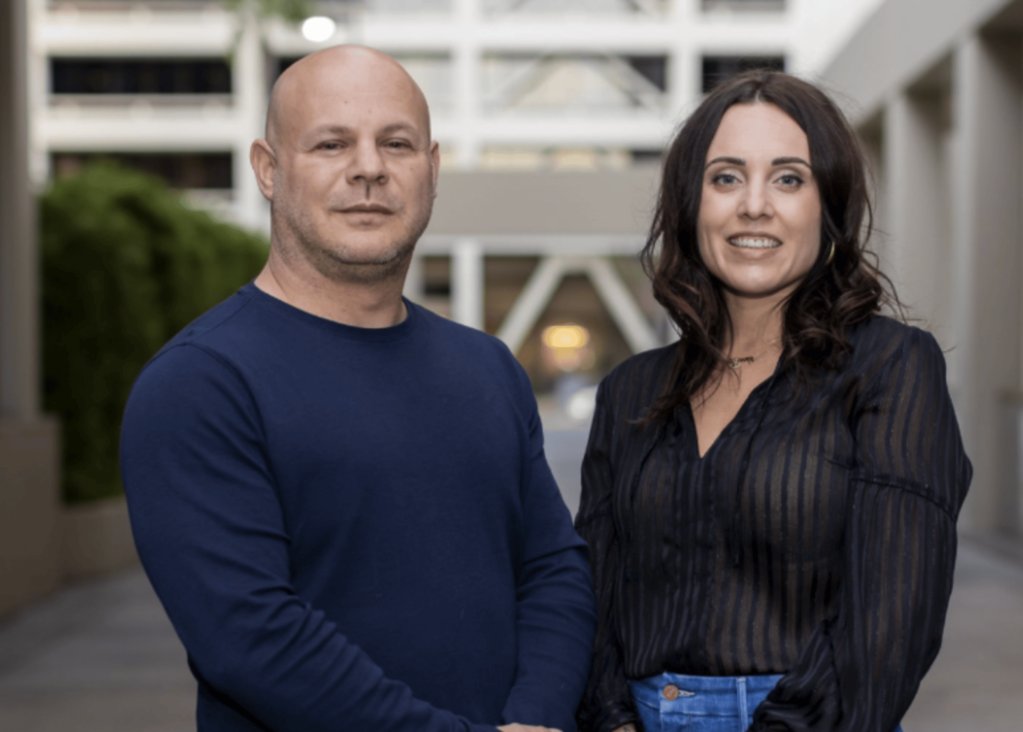
The public relations industry often equates growth with scale, with agencies frequently chasing an ever-expanding client roster. However, Zach Rosenfield, CEO of RMG, a boutique media strategy firm, has deliberately charted a different course. His company, despite its lean 12-person staff, has seen its revenue increase more than fivefold over the past five years, all while representing an impressive array of talent including Robert De Niro, Al Pacino, Danny DeVito, Helen Mirren, and Morgan Freeman. Beyond Hollywood, RMG also manages corporate communications for major entities like The Hershey Company, Authentic Brands Group, Crash Champions, and Starkey, each reporting annual revenues exceeding $1 billion.
Rosenfield maintains that the firm’s modest size is not an accidental byproduct but a core strategic decision. He openly challenges the conventional wisdom that larger necessarily means better in the PR landscape. For RMG, this philosophy translates into a highly selective client acquisition process. Rosenfield describes their initial response to any prospective client as a default “no.” This counterintuitive approach, he explains, serves as an essential filter, designed to identify potential mismatches or red flags early in the engagement process. By starting with skepticism, the firm is compelled to scrutinize every aspect of a potential client relationship before committing.
This rigorous vetting process allows RMG to assess communication styles, timing expectations, and the fundamental viability of a client’s story. Given that RMG operates on a retainer model, taking on a client that cannot be effectively served poses a significant liability. Rosenfield notes that the realization of a poor fit often coincides with the initial deposit hitting their accounts, creating a situation where the firm might struggle to generate meaningful media coverage. Therefore, the “no first” policy acts as a preventative measure, forcing a comprehensive evaluation of every reason a client relationship might falter before it even begins. This careful selection process is further supported by the fact that approximately 95% of RMG’s current business originates from referrals, according to Amanda Brocato, RMG President, reducing the need for active client prospecting.
RMG, established in 2020, began with Rosenfield bringing his existing portfolio and inviting former colleagues, including Brocato, whom he had known for nearly two decades from their time working under publicist Howard Bragman. The firm has since diversified its offerings beyond traditional talent representation, venturing into corporate communications and live events. Rosenfield and Brocato jointly head corporate communications, with Rosenfield overseeing the sports division and Brocato managing live events. The firm also boasts divisions dedicated to literary representation and social-impact work.
The live events segment has emerged as one of RMG’s most rapidly expanding areas. In the previous year, the firm produced 36 events, ranging from Sports Illustrated’s hospitality activations at Formula One races to a significant Hershey candy launch featuring Shaquille O’Neal. This particular campaign included the creation of a 500-pound gummy sculpted in O’Neal’s likeness displayed in Times Square. Brocato detailed how her team managed a $1.5 million budget for the Shaq-A-Licious candy brand, handling everything from ideation and budget oversight to hiring producers and developing the media plan, which included the Times Square pop-up and a custom truck touring New York City basketball courts. The firm also facilitated a surprise appearance by Taylor Swift at an event in Nashville recently.
Brocato views live events as an area of the industry relatively insulated from the disruptive potential of artificial intelligence, citing a growing public desire for communal experiences. Despite its contained size, RMG has not shied away from integrating AI into its operations. Rosenfield emphasizes that viewing AI merely as an efficiency tool for press releases is a misstep. Instead, he advocates for treating AI platforms as invaluable assistants, utilizing them for tasks such as creating event renderings for clients and conducting competitive analyses. He likens failing to adopt AI to an impending iceberg, estimating firms have roughly 18 months to adapt or face significant challenges. RMG projects a 14% revenue growth for the upcoming year and has attracted acquisition interest, though Rosenfield indicates he is not currently inclined to sell, believing the firm has substantial further growth potential.