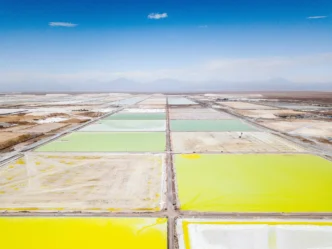
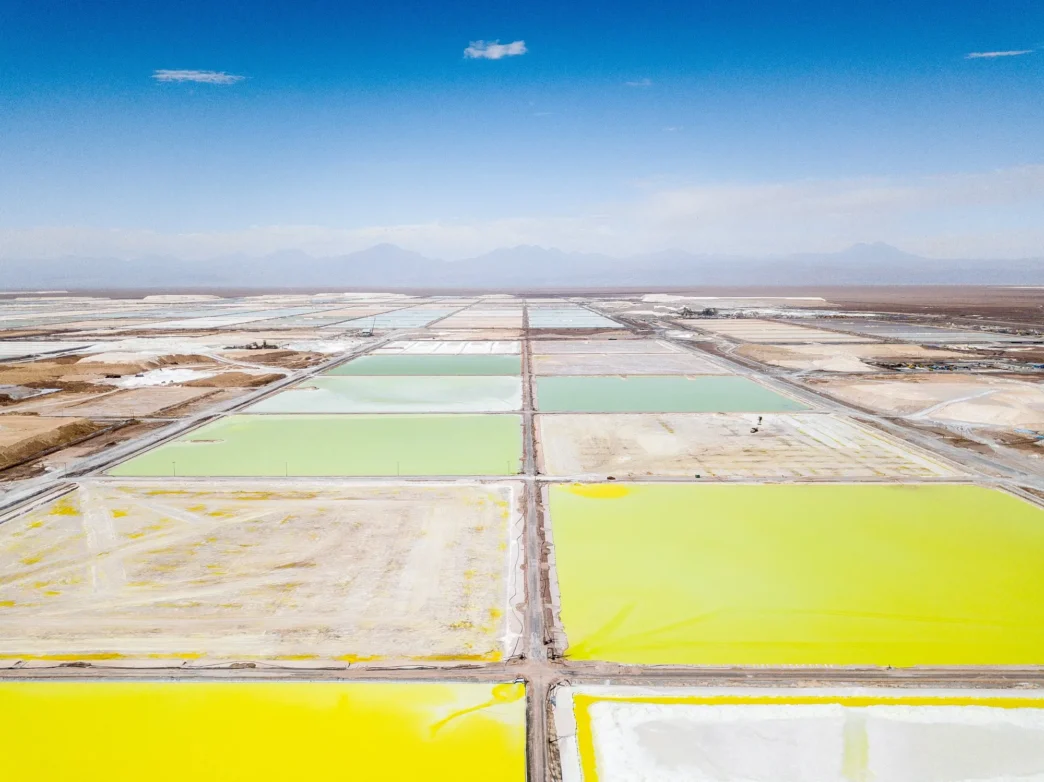
The global appetite for lithium, a critical component in electric vehicle batteries and various renewable energy storage solutions, is poised for substantial growth, with SQM, one of the world’s largest lithium producers, projecting a 25 percent increase in demand this year. This forecast underscores the accelerating shift towards electrification and the persistent need for raw materials to fuel this transition. Despite recent fluctuations in commodity prices, the underlying trajectory for lithium consumption appears firmly upward, driven by expanding manufacturing capabilities and ambitious decarbonization targets worldwide.
SQM’s outlook comes at a time when the broader market is closely watching supply chain stability and the potential for new mining projects to come online. The company’s executives indicated that while new production capacity is indeed emerging, the pace of demand continues to outstrip some earlier projections, suggesting a tighter market than some analysts had anticipated. This dynamic could place renewed upward pressure on prices, impacting everything from the cost of electric vehicles to the viability of large-scale grid storage projects. The inherent volatility of commodity markets means that while long-term trends are clear, short-term price discovery remains a complex interplay of supply, demand, and speculative interest.
A significant portion of this anticipated growth is attributed to the automotive sector, where electric vehicle sales continue to break records in key markets such as China, Europe, and North America. Governments worldwide are implementing stricter emissions regulations and offering incentives for EV adoption, further solidifying the demand base for lithium-ion batteries. Beyond passenger vehicles, the electrification of commercial fleets, public transportation, and off-road vehicles also contributes to the expanding market, albeit at a slower pace. The sheer scale of these transformations requires a commensurate scale-up in mineral extraction and processing. 
However, the path to meeting this escalating demand is not without its challenges. Environmental concerns surrounding mining operations, particularly regarding water usage and ecological impact, remain prominent. Communities near proposed mining sites often voice strong opposition, leading to delays and increased regulatory scrutiny. Furthermore, geopolitical considerations play a role, as a significant portion of current lithium production is concentrated in a few countries, raising questions about supply chain resilience and diversification. Companies like SQM are therefore navigating a complex landscape that balances economic opportunity with environmental stewardship and social responsibility.
Investments in new extraction technologies, such as direct lithium extraction (DLE), are gaining traction as producers seek more efficient and environmentally friendly methods. These innovations could unlock previously uneconomical reserves and reduce the environmental footprint of lithium production. Nevertheless, these technologies are still maturing and require substantial capital investment and time to implement on a commercial scale. The lead time for new mines to become fully operational can span many years, creating a lag between investment decisions and actual production output, a factor that contributes to market tightness during periods of rapid demand growth.
The long-term implications of SQM’s projections are far-reaching. They signal a continued push towards a future powered by renewable energy and battery technology, but also highlight the critical importance of sustainable resource management. As the world transitions away from fossil fuels, the spotlight intensifies on the supply chains of essential minerals, making the forecasts from major producers like SQM not just market indicators, but crucial insights into the evolving global energy landscape. The interplay between technological advancement, environmental policy, and raw material availability will define the trajectory of this green revolution.