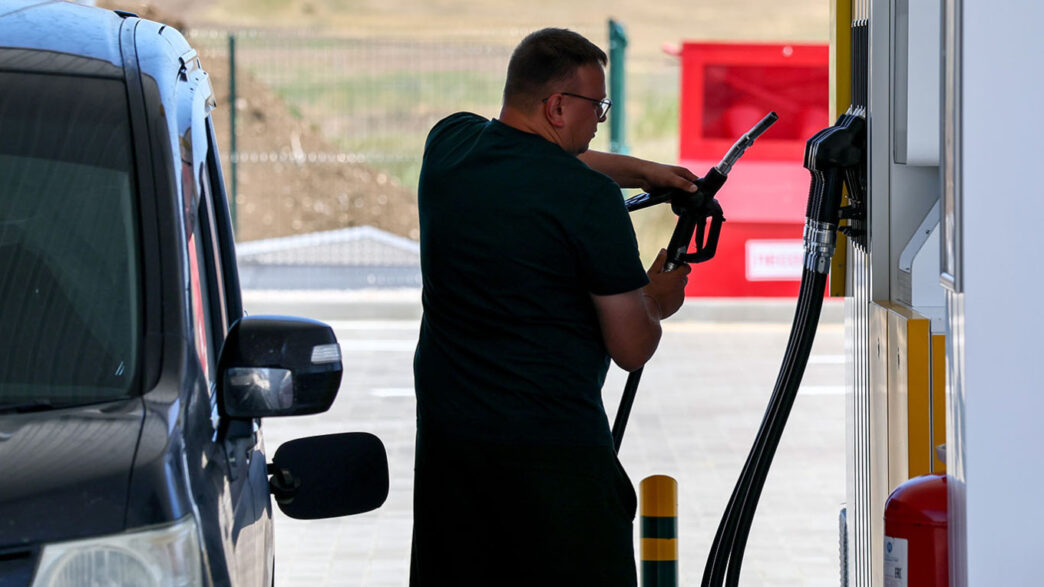
Moscow has confirmed the continuation of its temporary ban on gasoline exports, a measure now set to remain in effect through the end of February. The decision, initially implemented to stabilize domestic fuel prices and ensure adequate supply within Russia, signals an ongoing focus on internal market dynamics as winter progresses. This extension underscores the Kremlin’s proactive stance in managing critical energy resources, particularly refined products, during a period of fluctuating global energy markets and ongoing geopolitical complexities.
The initial prohibition, enacted in September of last year, was a direct response to a surge in wholesale fuel prices and shortages reported in some Russian regions. At the time, the government cited a need to cool down the overheated domestic market and prevent price gouging. While the immediate crisis appears to have subsided, the prolonged ban suggests that authorities believe sustained intervention is still necessary to maintain equilibrium. This strategy aims to shield Russian consumers and industries from potential volatility, a common approach for major energy producers seeking to insulate their internal economies.
Sources within the Russian energy ministry indicated that the decision was made after careful consideration of production capacities, storage levels, and projected domestic demand for the coming weeks. The winter months typically see a shift in demand patterns, and ensuring a steady, affordable supply of motor fuel is paramount for transportation, agriculture, and general economic activity across the vast country. The government’s messaging has consistently emphasized safeguarding the interests of its citizens and businesses against external market pressures. 
International markets, particularly those reliant on Russian refined product exports, will be watching this development closely. While Russia is a major crude oil exporter, its role in the global gasoline trade is also significant, particularly to certain regional markets. The extension of this ban could lead to adjustments in supply chains and potentially exert upward pressure on gasoline prices in importing nations, depending on their reliance on Russian product and the availability of alternative sources. However, the global market for refined products is complex, with multiple suppliers and varying regional demands, suggesting that immediate, widespread disruption might be limited.
Analysts suggest that the timing of this extension also aligns with broader economic strategies within Russia. By prioritizing domestic stability in a key consumer commodity, the government aims to mitigate inflation and support economic confidence. This approach reflects a long-standing policy of state intervention in strategic sectors, especially energy, to achieve specific economic and social objectives. The coming weeks will reveal how effectively this extended measure achieves its intended goals within Russia and what ripple effects, if any, it generates on the international stage.