Firmus
Firmus Grid, the Nvidia-backed Australian AI data center operator, is set to postpone its planned initial public offering on the Australian Securities Exchange and instead weigh raising fresh capital through a private round with existing investors, according to people familiar with the matter. Order-taking for the IPO closed as scheduled, but with no clear indication of final pricing or deal structure — a sign the offering had lost momentum heading into its close.
The IPO had been structured to raise as much as $5.5 billion, pricing shares at roughly A$11 and implying a valuation near $30.6 billion — nearly three times the approximately $10.5 billion post-money valuation Firmus commanded in its August funding round. That jump is reportedly what spooked investors: several flagged the pricing as aggressive given the company’s limited public track record, and interest from foreign investors was said to have cooled noticeably as bookbuilding progressed.
The deal’s structure didn’t help matters either. Firmus had planned to allocate roughly half the offering, including the over-allotment option, to existing strategic and financial backers — Nvidia, Coatue, Blackstone, and Jane Street among them — leaving only about 58% of shares freely tradable on day one. For a deal marketed as a mega-IPO, that left thinner real float than the headline number suggested, raising the risk of outsized price swings once trading began.
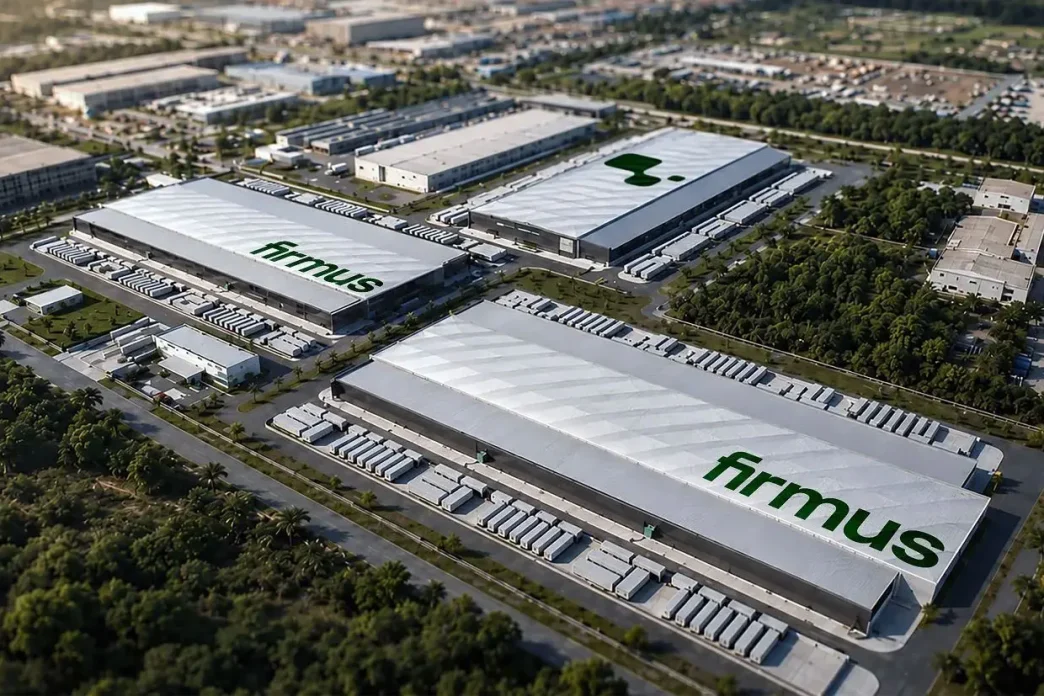
Firmus has an unusual origin story for a company chasing a $30 billion valuation: it started as a Bitcoin miner in Tasmania in 2019 before pivoting into AI infrastructure. The company now operates seven AI data center “factories” spread across Australia, Singapore, Indonesia and Malaysia, and has secured roughly $2 billion in investor commitments, with Nvidia and Blackstone among its most prominent backers.
The timing compounds the setback. Firmus had been working toward filing its prospectus around October 12, with trading expected to begin on the ASX by October 23. Its pullback now casts a shadow over a broader pipeline of data center IPOs waiting in the wings, feeding into fresh questions about whether investor enthusiasm for AI infrastructure bets has started to outrun what the market is actually willing to pay.