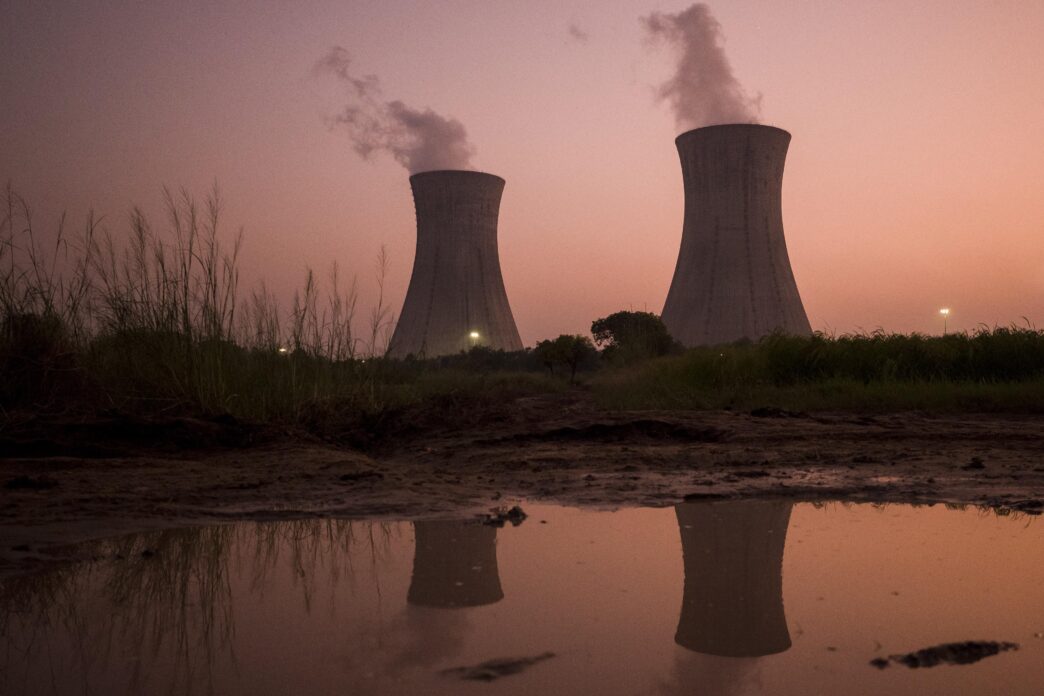
For the first time in nearly half a century, excluding a brief period during the COVID-19 pandemic, India saw a measurable decline in its coal-fired energy generation last year. This significant shift, a 3% reduction, signals a substantial change in a nation heavily reliant on fossil fuels. Analysis from the Centre for Research on Energy and Clean Air attributes this downturn primarily to a remarkable surge in clean power generation, marking a critical juncture in India’s energy transition efforts.
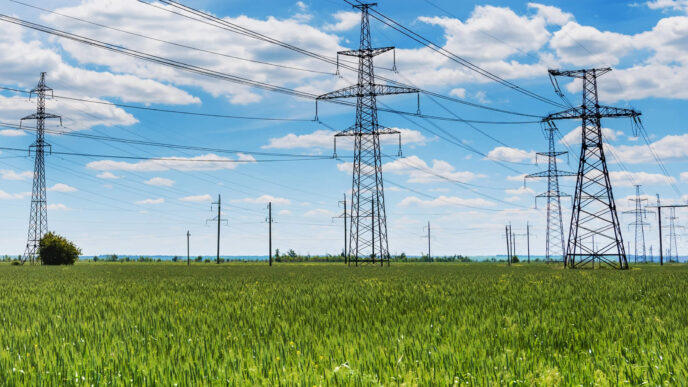
Despite this promising development, the path to a fully renewable energy landscape remains complex. The inherent inflexibility of existing coal power plants presents a considerable hurdle, preventing India from fully leveraging its rapidly expanding capacity in renewable energy sources. These older, less adaptable facilities struggle to integrate seamlessly with the intermittent nature of solar and wind power, creating bottlenecks in the grid. This structural rigidity means that even as new solar farms come online, their full potential may not be realized due to the operational constraints of the conventional power infrastructure.
The implications of this inflexibility are not merely theoretical; they carry tangible economic costs. Over an eight-month period, India reportedly incurred expenses of up to $75 million for lost solar power, essentially paying for electricity that could have been generated but was not integrated into the grid. This figure underscores the financial burden imposed by an antiquated system struggling to adapt to modern energy demands. The problem is particularly acute in states like Rajasthan, where solar installations are rapidly expanding but face significant challenges in feeding their output into the national grid without disruption. 
The paradox is stark: India is investing heavily in renewable energy, yet its existing infrastructure acts as a brake on progress. The sustained operation of coal plants, often running at suboptimal levels to maintain grid stability, means that cleaner, cheaper renewable energy is sometimes curtailed. This situation highlights a critical need for substantial upgrades to grid infrastructure, including the development of smart grids and energy storage solutions, to accommodate the variable nature of renewable sources. Without these improvements, the nation risks repeated instances of underutilized clean energy potential and continued reliance on a carbon-intensive energy mix.
Moving forward, the challenge for India lies in navigating this transition with strategic foresight. It involves not only continuing the rapid deployment of renewable energy but also implementing policies that facilitate the graceful retirement or repurposing of older, less efficient coal plants. Simultaneously, investments in grid modernization and energy storage technologies will be crucial to ensure that the growing clean energy capacity can be fully integrated and utilized. The 3% drop in coal generation is a notable achievement, a testament to India’s commitment to a greener future, but the subsequent hurdles underscore the intricate dance between progress and legacy infrastructure in the global energy shift.