The persistent glow of smartphone screens has spurred a counter-movement among younger generations, particularly Gen Z, who are actively seeking physical tools to curb their digital consumption. This drive for digital detoxes, ironically often discussed on social media itself, highlights a growing awareness of phone addiction and its impact on daily life. Instead of entirely abandoning their devices, many are turning to specific products designed to create a deliberate friction between impulse and access, effectively making “doomscrolling” a conscious choice rather than an automatic reflex.
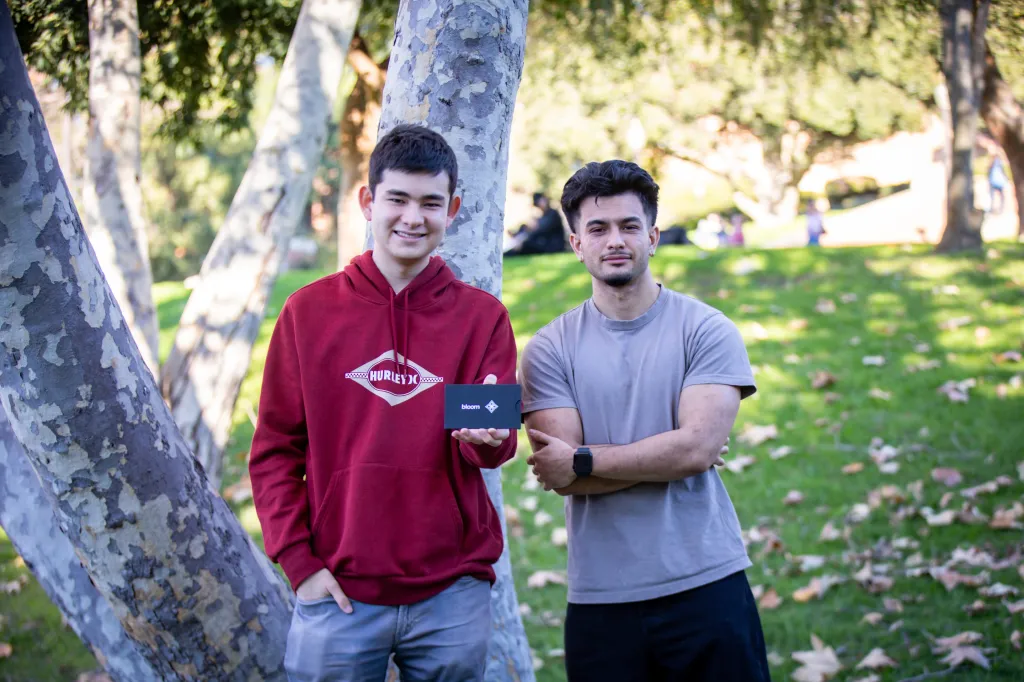
Among the emerging solutions are devices like the Bloom card, a $39 stainless steel tool developed by two college students in 2024. This system pairs a physical card with an app, allowing users to designate specific applications for blocking during chosen timeframes. The Bloom card also incorporates a feature for scheduled, short breaks—one, two, or three five-minute windows—during which blocked apps can be accessed. To re-engage with these restricted applications, users must physically tap the card to their phone, a small but significant hurdle designed to interrupt habitual use. Giancarlo Novelli, a UCLA senior and co-founder of Bloom, shared with *Fortune* that the product helped him personally manage his phone usage and improve focus, drawing a parallel between the current prevalence of phone use and historical attitudes towards cigarette smoking, suggesting that the long-term effects are still being understood.
Novelli frequently blocks short-form video platforms like Instagram and TikTok, which he likens to a “slot machine in your pocket” due to their design for releasing feel-good chemicals. The rapid rise of these platforms over the past decade means the full ramifications of their addictiveness are still under examination. A 2025 study from the University of Alberta, for instance, indicated a correlation between social media use and increased instances of depression and anxiety, though the researchers noted that individual usage patterns play a crucial role. This proactive approach to digital well-being extends beyond Bloom. 
Another product gaining traction is Brick, which typically retails for $59. Kristian Del Rosario, a 28-year-old personal injury lawyer and influencer based in New York City, noted her improved productivity since incorporating Brick into her routine. Unlike the iPhone’s built-in Screen Time feature, which permits access after a passcode entry, Brick requires a physical tap to unlock restricted apps. Del Rosario finds this physical separation crucial, especially when focusing on work or unwinding before sleep. She appreciates that the device allows her to maintain access to essential communication apps for client interaction while blocking more distracting ones, describing how it has positively reshaped her bedtime routine by preventing late-night scrolling. TJ Driver, the founder of Brick, emphasized that this added moment of intentionality empowers users to consciously decide whether to engage with an app or remain present in their immediate environment.
The appeal of these tangible app blockers aligns with a broader trend among Gen Z towards analog experiences, from vinyl records to handwritten correspondence. This preference for the physical over the digital reflects a desire to reduce screen time and engage with the material world. The growing demand for such devices comes at a time when figures like Adam Mosseri, head of Instagram, have publicly differentiated between “clinical addiction” and “problematic” use of social media, particularly during legal proceedings where plaintiffs have alleged mental health issues stemming from platform addiction.
Despite the debates surrounding addiction, the difficulty many young people face in reducing screen time is evident. Del Rosario noted that Gen Z’s heavy phone reliance stems from its role as a primary source of information and connection to global events. Novelli plans to expand Bloom’s capabilities to combat digital distractions on laptops, acknowledging that even without social media, endless autoplay videos on platforms like YouTube or Netflix can consume significant time. While Bloom has sold over 60,000 units, the irony of these products being discovered and discussed predominantly on social media platforms has prompted some, like Slate contributing writer Alex Kirshner, to question the sincerity of influencers promoting them online. Novelli maintains that social media itself is not inherently problematic, but rather the automatic, unregulated use of it, advocating for personal regulation as the key to a healthier digital life.