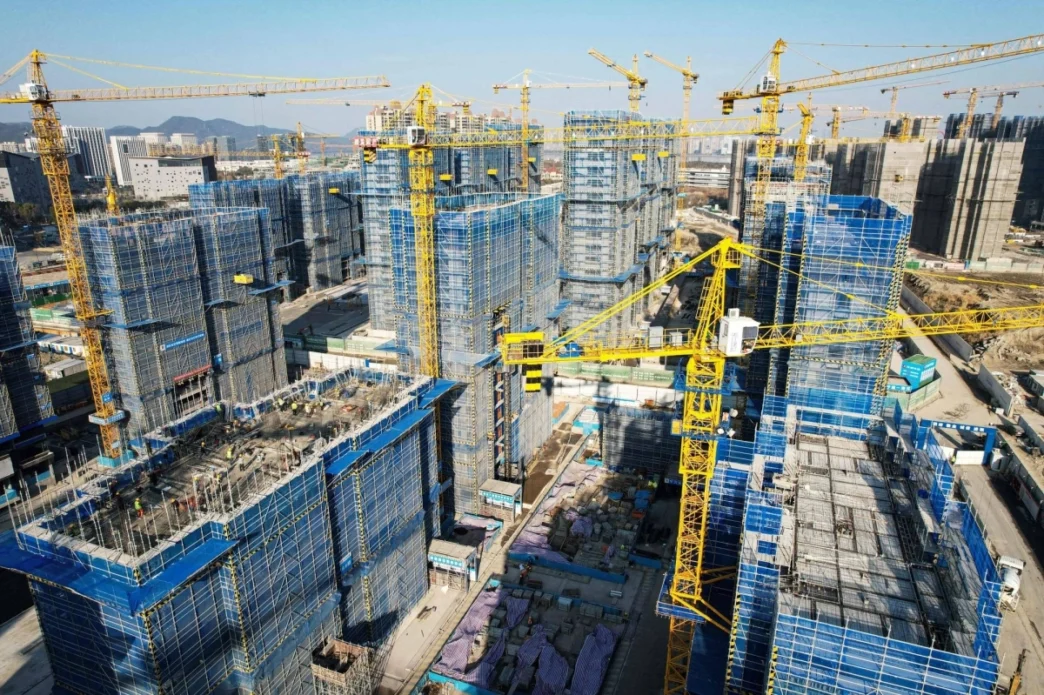
The whispers in Shenzhen’s financial towers have grown into a deafening roar: China Vanke, long considered an untouchable pillar of the nation’s real estate sector, is no longer immune. For years, the state-backed developer carried an implicit guarantee, a ‘too-big-to-fail’ aura that reassured investors even as competitors crumbled. Now, that safety net has been demonstrably, and quite deliberately, removed by Beijing, sending shockwaves through the market and raising urgent questions about the future of China’s beleaguered property sector.
This shift became starkly apparent last week when a consortium of state-owned banks, previously reliable lenders to Vanke, reportedly balked at rolling over maturing debt without significant concessions. This was not merely a commercial decision; it marked a clear policy directive from the highest levels of government. Sources close to the situation, who requested anonymity due to the sensitivity of the matter, confirmed that central authorities have grown increasingly wary of perpetuating moral hazard within the property sector. The era of unconditional state rescue, it seems, is definitively over, even for a company with Vanke’s pedigree and deep government ties. Its largest shareholder, Shenzhen Metro, a state-owned enterprise, has publicly reiterated its support, but the market’s interpretation is much more nuanced: support will now be strategic and conditional, not a blank check.
Vanke, with its meticulously managed balance sheet and reputation for fiscal prudence, was always held up as the gold standard, a stark contrast to the likes of Evergrande or Country Garden, which spiraled into default with mountains of debt. Its ability to navigate previous downturns cemented its image as a safe haven. Yet, even Vanke has not been immune to the prolonged slump in housing sales and the broader economic headwinds. The company reported a significant drop in profits last year, and its share price has been under relentless pressure, reflecting the deepening crisis of confidence. This latest move by Beijing suggests that even the ‘good’ developers must now face the harsh realities of a market-driven correction, without the expectation of an ultimate government backstop. 
The implications of Beijing’s decision extend far beyond Vanke’s corporate offices. It signals a profound recalibration of the state’s role in the economy, particularly in industries deemed overleveraged or systemically risky. For international investors, it underscores the unpredictable nature of doing business in China, where political imperatives can swiftly override commercial expectations. The implicit guarantees that once underpinned vast swaths of the Chinese economy are being systematically dismantled, forcing a painful but perhaps necessary deleveraging. This will undoubtedly lead to further volatility in the short term, as other state-linked entities assess their own vulnerabilities and adjust to the new reality.
Domestic confidence, already fragile, is also likely to take another hit. Chinese homebuyers, who have traditionally viewed property as the safest investment, are now grappling with the fact that even the most reputable developers can face existential threats. This could further dampen demand for new homes, prolonging the downturn and potentially delaying a broader economic recovery. Beijing’s strategy appears to be a controlled demolition, aiming to excise the rot from the system without triggering a full-blown financial collapse. However, the line between controlled demolition and uncontrollable contagion is exceedingly fine, and the removal of Vanke’s state safety net represents a significant escalation of risk in this high-stakes balancing act. The next few months will reveal whether this bold policy shift paves the way for a healthier, more sustainable property market, or merely deepens the existing quagmire.