The push to fortify the circular economy for renewable technologies is gaining significant momentum in Beijing, with state broadcaster CCTV detailing an ambitious initiative to accelerate new energy recycling and waste management regulations. This move signals a deeper commitment from China to not only lead in the production of green technologies but also to responsibly manage their entire lifecycle, addressing an often-overlooked aspect of the global energy transition. The comprehensive strategy aims to establish a more robust framework for collecting, disassembling, and repurposing critical materials from spent electric vehicle batteries, solar panels, and other new energy infrastructure.
Officials recognize that the rapid expansion of electric vehicles and renewable energy sources, while crucial for climate goals, simultaneously creates a looming challenge: how to handle the massive volume of materials once these technologies reach the end of their operational lives. Without proactive measures, the environmental benefits of new energy could be undermined by unchecked waste streams. The new directives, as outlined by CCTV, are designed to prevent this future scenario by mandating stricter industry standards and fostering innovation in recycling processes. This includes exploring advanced methods for extracting valuable rare earth elements and other metals, reducing reliance on virgin material mining, and mitigating potential pollution.
A key component of the forthcoming regulations involves strengthening the “producer responsibility” principle. This means manufacturers of new energy products will bear a greater onus for the proper collection and recycling of their goods. Such a framework is intended to incentivize companies to design products with easier disassembly and material recovery in mind, embedding sustainability into the very core of product development. It also seeks to close existing loopholes where end-of-life products might otherwise be discarded improperly, leading to environmental contamination or loss of valuable resources.
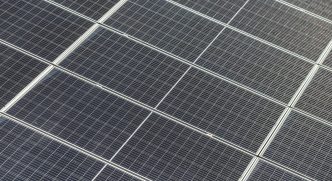
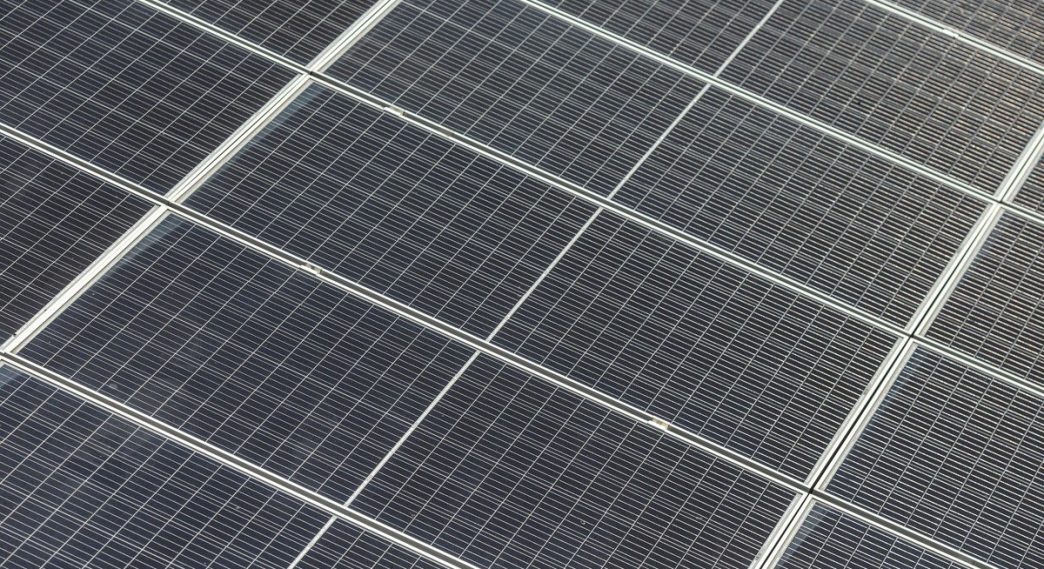
The scale of the task is considerable, given China’s position as a global leader in both manufacturing and adopting new energy technologies. The country has the world’s largest electric vehicle market, and its solar panel production capacity far outstrips any other nation. Consequently, the volume of batteries and panels approaching their end-of-life in the coming years will be unprecedented. This makes the development of efficient, scalable recycling infrastructure not merely an environmental imperative but also an economic opportunity, potentially creating new industries and jobs within the burgeoning green sector.
While the specifics of the accelerated timeline and the full breadth of new rules are still emerging, the announcement via CCTV underscores a strategic shift towards comprehensive sustainability. It suggests that China is moving beyond simply increasing renewable energy capacity to actively managing the environmental footprint of this growth across its entire value chain. The implications extend beyond its borders, potentially setting new benchmarks for other nations grappling with similar challenges in the global transition to a green economy. The success of these new rules will hinge on effective enforcement and continuous technological advancements in recycling, transforming what could be a waste problem into a valuable resource stream.