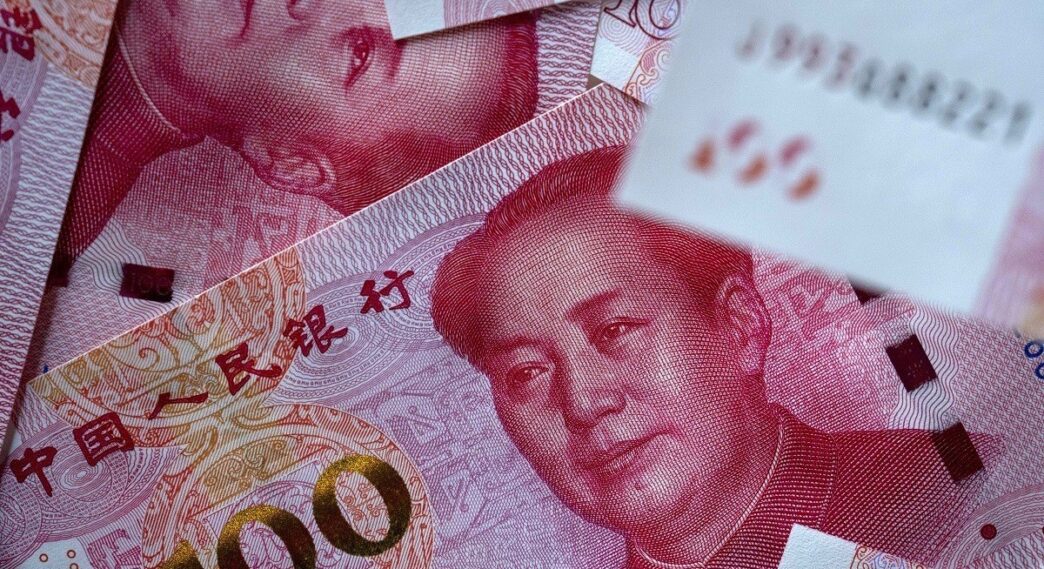
Bank of America has revised its projections for the Chinese yuan, now forecasting a stronger performance against the US dollar, a move that aligns it with a similar outlook recently issued by Goldman Sachs. This adjustment reflects a growing consensus among some major financial institutions regarding the currency’s near-term prospects. Analysts at Bank of America now anticipate the yuan will reach 7.15 per dollar by the end of the second quarter, further strengthening to 7.00 by the close of the third quarter. This represents a notable shift from previous estimates, which had generally predicted a more depreciated exchange rate.
The revised forecasts from both Bank of America and Goldman Sachs are largely predicated on several key factors influencing China’s economic landscape. A primary driver is the perceived stabilization of the Chinese economy, coupled with a more proactive stance from Beijing in implementing supportive policies. Recent data points, including industrial output and retail sales, have shown signs of modest improvement, contributing to a more optimistic assessment of the nation’s growth trajectory. Furthermore, the People’s Bank of China’s consistent efforts to manage currency stability, often through subtle interventions and guidance, are seen as underpinning the yuan’s resilience.
Beyond domestic considerations, the global economic environment also plays a significant role in these updated projections. The anticipated easing of monetary policy by the US Federal Reserve later in the year is expected to weaken the dollar, thereby providing a tailwind for emerging market currencies, including the yuan. Should the Fed proceed with interest rate cuts, the interest rate differential between the US and China would narrow, potentially reducing the incentive for capital outflows from China and supporting the yuan’s value. This global dynamic contributes to the more positive outlook shared by both institutions. 
Goldman Sachs, in its earlier assessment, had similarly highlighted the potential for a more stable yuan, pointing to a combination of policy support and an improving trade balance. The convergence of views from two such prominent investment banks suggests a broader re-evaluation of the yuan’s position amidst evolving macroeconomic conditions. While some analysts still express caution regarding China’s property sector and geopolitical uncertainties, the revised forecasts from these institutions indicate a belief that these headwinds may be less impactful on the currency than previously thought, at least in the coming months.
The implications of a stronger yuan are multifaceted. For Chinese exporters, it could mean reduced competitiveness in international markets, as their goods become relatively more expensive. Conversely, for importers, a stronger yuan would translate to lower costs for foreign goods and raw materials. For global investors, a more stable and potentially appreciating yuan could make yuan-denominated assets more attractive, potentially leading to increased capital inflows into China’s financial markets. These shifts underscore the intricate relationship between currency valuations, economic policy, and international trade dynamics, all of which are under close scrutiny as these revised forecasts take hold.