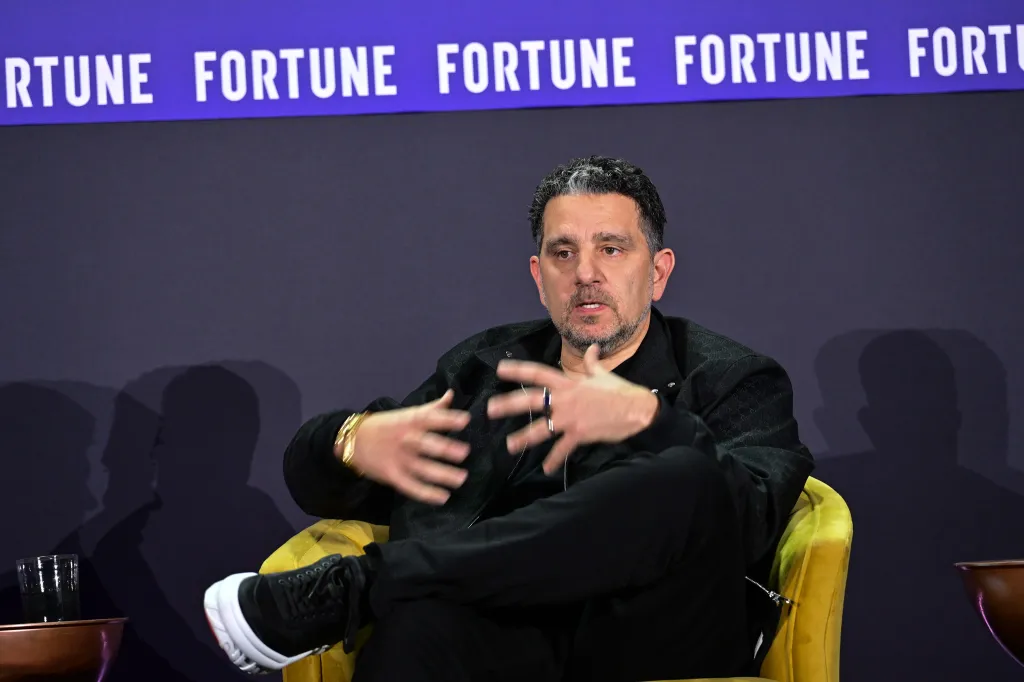
The persistent glow of smartphone screens, a ubiquitous feature of modern life, may be nearing its zenith, at least according to Panos Panay, Amazon’s head of devices and services. Speaking recently at Fortune Brainstorm AI in San Francisco, Panay suggested a palpable weariness is setting in, particularly among younger demographics, regarding the endless scroll of social media. He believes this fatigue is not merely a transient trend but a foundational shift paving the way for an era where technology recedes into the background, operating through what he terms “ambient intelligence.” This vision paints a future where interaction with devices becomes seamless and intuitive, fundamentally different from the current app-centric paradigm.
Panay articulated that the upcoming generations, having matured within an increasingly AI-driven world, are poised to demand a less intrusive technological experience. He observed that many young people feel a sense of being “stuck” in the relentless cycle of social media consumption, hinting at a collective desire for liberation from “doom scrolling.” This demographic, he contends, will expect products that integrate effortlessly into their lives, requiring minimal conscious interaction. “They’re going to just think differently,” Panay remarked, emphasizing the need for technology that is present on their bodies, in their homes, and in their pockets, yet operates without demanding constant visual attention.
He offered a personal anecdote to illustrate this concept: a family debate about dinner plans. Instead of the usual scenario where each person retreats to their device to research restaurants, they simply posed the question to Alexa. The AI, drawing on a conversation from months prior, instantly recalled a restaurant they had previously expressed interest in trying. This, Panay explained, represented a “delightful moment” of ambient intelligence at work, resolving a common domestic friction without anyone needing to unlock a phone or open an app. This type of interaction, where questions are simply asked and answers received, embodies the frictionless experience he envisions. 
Amazon is actively exploring hardware innovations to support this screen-free future, though Panay remained tight-lipped about specific product roadmaps. He clarified that current smart speakers and smartphones are far from the final form factor for AI devices. While acknowledging a “lab full of ideas,” he also conceded that many prototypes would likely never see the light of day. When pressed on the potential for wearables or smart glasses, particularly given recent collaborations in the industry, Panay referenced Amazon’s existing portfolio, including a recent acquisition of a wristband company. He confirmed the company’s prior ventures into wearables and glasses, stating, “I think you’re going to want your assistant with you everywhere you go,” without revealing specifics of what that might entail next.
Central to the development of such pervasive technology is the critical issue of security. Panay addressed concerns about placing listening devices in homes directly, framing it as a non-negotiable “contract with our customers.” He asserted that any breach of this trust would lead to a loss of customer loyalty, emphasizing that Amazon does not “cut one corner” when it comes to security protocols, considering it the “first premise” of their product design.
The immediate step towards this ambient future, according to Panay, is the updated “Alexa Plus.” He described this iteration as a significant leap from a simple command-based tool to a more sophisticated “home manager” or “butler.” Unlike its predecessor, the new AI boasts “unlimited depth of understanding” and contextual memory, allowing it to adapt and personalize interactions based on previous conversations. Panay noted that if he has asked two or three questions over a few weeks, the AI’s “understanding, the personality will just change and say it understands what I’m looking for.”
Ultimately, Panay believes this technological evolution is geared towards a more profound cultural shift:
reclaiming user time. By moving away from the constant distraction of screens, he argues, individuals can engage in more meaningful activities. “I think learning is one of the finest arts on the planet … and I think reading does that,” he concluded, positioning the end of “doom scrolling” not just as a technological advancement, but as a pathway to richer, more engaged human experience.