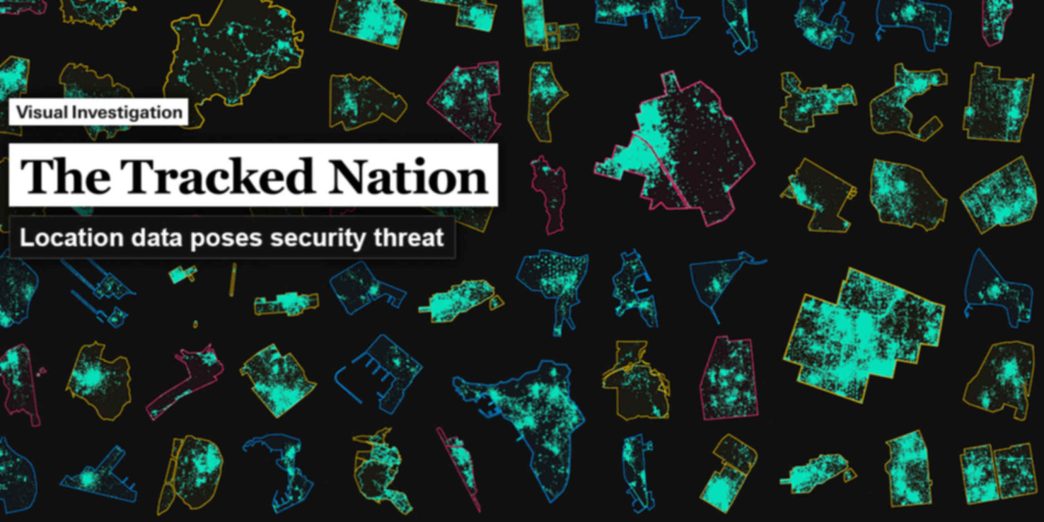
TOKYO – In an alarming discovery, the Nikkei has uncovered that location data from smartphones could pose a significant threat to Japan’s national security. The analysis, which examined data from over 40 million IDs linked to smartphones, revealed that sensitive movements at defense facilities, including those of the Ground, Maritime, and Air Self-Defense Forces, could be traced through commercially available records.
Security Risks and Data Analysis
The findings suggest that location information transmitted from smartphones can be used to trace the movements of individuals, potentially revealing patterns involving entire defense units. This data, which includes records of visits to government facilities such as the prime minister’s office, has been bought and sold, raising concerns about the potential misuse of such information.
The implications of this discovery are far-reaching. If an adversary were to obtain this data, they could gain insights into the operational schedules and movements of Japan’s defense forces, compromising strategic planning and response capabilities. The exposure of sensitive locations and activities could also lead to the compromise of sensitive information and even physical security breaches.
Government Response and Future Implications
In response to these findings, the Japanese government must now address the vulnerabilities in its data security protocols. Steps may include stricter regulations on the collection and use of location data, as well as enhanced cybersecurity measures to protect sensitive information. The incident also highlights the need for a comprehensive review of data sharing practices within the defense sector.
The broader implications extend beyond Japan, as the issue of data privacy and security in the digital age becomes increasingly critical. As more aspects of daily life become digitized, the potential for data breaches and misuse grows, necessitating a robust framework to safeguard sensitive information and maintain national security.