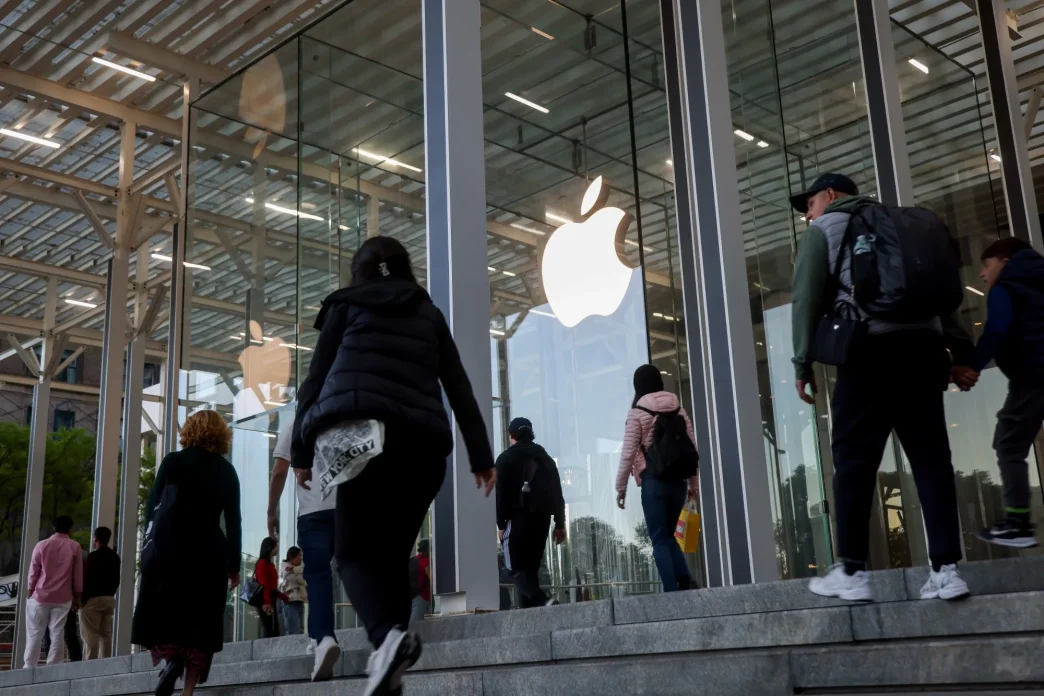
Apple has launched a seven-tranche investment-grade bond offering totaling $7 billion, its first debt sale since May 2025, joining a broader wave of major corporations tapping credit markets in recent weeks even as the company sits on one of the largest cash positions in the world.
The proceeds are earmarked for share buybacks and debt servicing, a use of funds that fits Apple’s long-running capital allocation pattern rather than signaling any new strategic shift. The company has for years used debt issuance alongside its enormous cash reserves to fund shareholder returns, a structure that lets Apple return capital to investors without repatriating or liquidating cash held in ways that would trigger additional tax costs.
The seven-tranche structure spreads the $7 billion across multiple maturities, a standard approach for large, frequent bond issuers that lets a company like Apple match different portions of the debt to different points on its repayment schedule rather than concentrating refinancing risk in a single year.
Apple's return to debt markets after an 18-month pause lands amid what's being described as a broader issuance spree, with multiple large corporations moving to raise debt around the same period. That clustering of activity suggests favorable borrowing conditions, or at least a shared sense among corporate treasurers that current rates and demand make this a good window to lock in financing before conditions potentially shift.
For a company with as much cash on its balance sheet as Apple, the decision to borrow rather than simply draw down reserves says less about need and more about financial efficiency. Debt-funded buybacks have become a standard tool for cash-rich tech giants precisely because it's often cheaper, after accounting for tax treatment and the opportunity cost of liquidating other holdings, to issue new bonds than to use cash sitting in lower-yielding or tax-disadvantaged positions.
The return to the bond market after such a long gap is itself a data point worth watching: Apple doesn't issue debt reflexively, and its decision to come back now, as part of a broader surge in corporate issuance, suggests the company sees the current environment as a worthwhile window to refinance and fund buybacks on favorable terms rather than wait for conditions to potentially tighten further down the line.