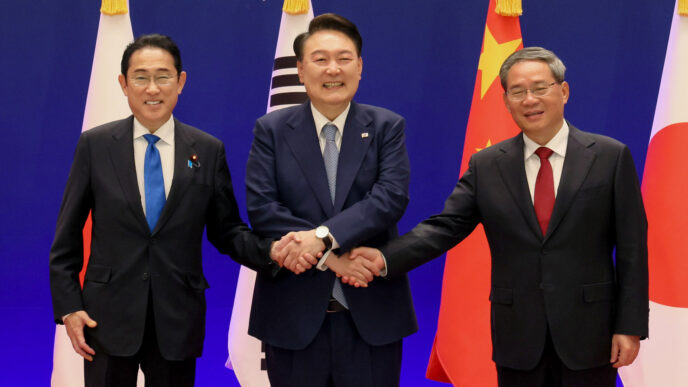
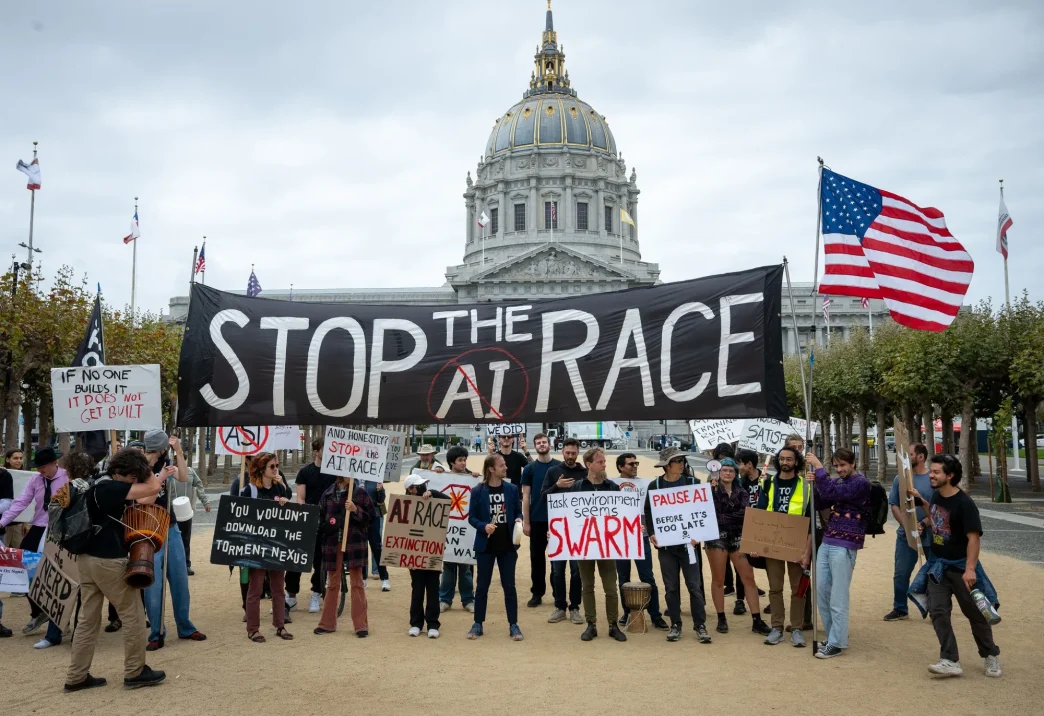
The alliance between Silicon Valley’s AI leaders and the Trump administration is showing real strain heading into the midterm elections, as a nationwide backlash against AI intensifies faster than the industry anticipated when it chose sides. AI leaders aligned themselves closely with Trump over the past year, a bet that looked politically shrewd at the time but may not age well once votes are counted.
The industry had positioned itself to act as a kingmaker in these midterms, backing favorable candidates and funding political action committees built to shape races in AI’s favor. Instead, those same PACs have largely pulled back from contested races, a retreat that reflects how much public sentiment has soured on the technology since the strategy was first set in motion.
One race in particular appears to have forced that recalibration. A primary contest in New York became something of a cautionary tale for the industry, reportedly convincing AI-aligned political operations that stepping into the spotlight in contested races was doing more harm than good to the candidates they backed, given how toxic the AI association had become with voters in that specific contest.
The market stakes attached to the midterm outcome are significant. Wall Street broadly expects Democrats to win control of at least one chamber of Congress, an outcome that would put AI oversight directly on the legislative table and likely usher in the kind of stricter regulation and scrutiny the industry spent the past year trying to head off through its alignment with the Trump White House.
That alignment now looks more like a liability than an asset in the current political climate. By tying its political fortunes so visibly to one administration and one party, the AI industry narrowed its own room to maneuver if power shifts, leaving it with fewer relationships and less goodwill on the other side of the aisle precisely when it may need both to shape whatever regulatory framework comes next.
The broader lesson emerging from this cycle is that the AI industry's political capital turned out to be far more fragile than its financial capital. Massive investment and White House access didn't translate into durable public support, and as the midterms approach, AI leaders are discovering that an administration alliance, however close, doesn't insulate an industry from a voter backlash building largely independent of Washington politics altogether.