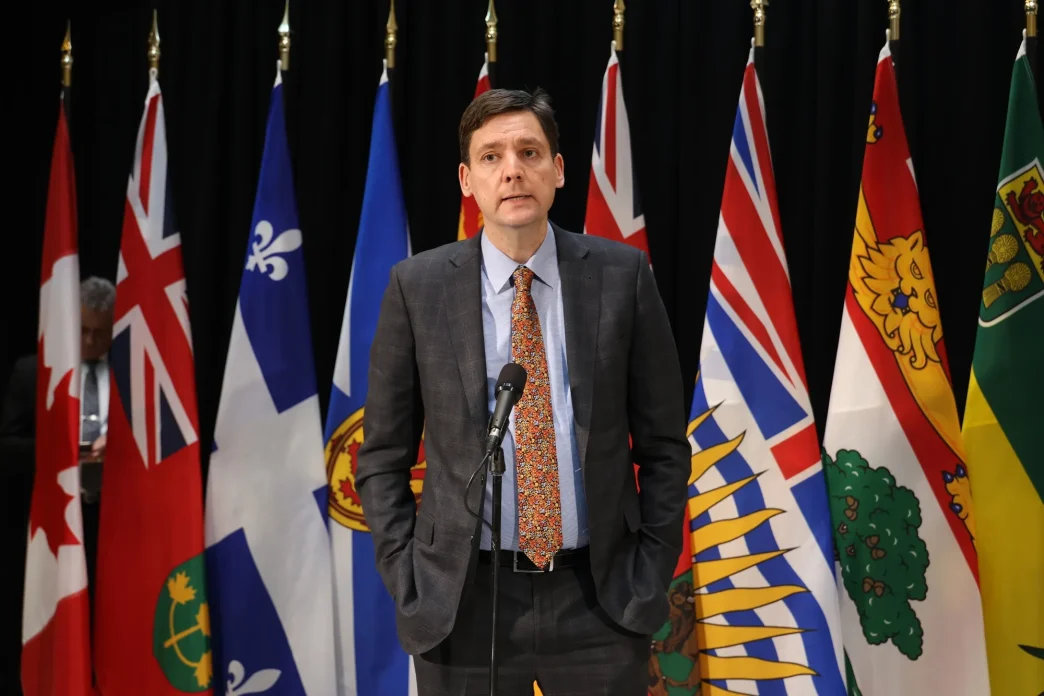
British Columbia Premier David Eby called a snap election two years ahead of schedule on September 22, following the collapse of US-Canada trade talks, betting that a defiant wave of Canadian patriotism in response to Trump’s threats would deliver him a stronger mandate.
Eby leaned heavily into the strategy from the outset, invoking Trump’s name more than 20 times in his campaign-launch speech and repeatedly hammering on the US president’s threats to British Columbia’s lumber industry, while notably avoiding naming any rival Canadian politicians directly.
The approach now appears to be faltering. Polling from Angus Reid found that US tariffs, Trump and a related alcohol ban registered as a top voting priority for just 10% of respondents, a fraction of the weight voters placed on other concerns.
By contrast, cost of living ranked as the top priority for 57% of respondents, followed by health care at 42% and the economy and jobs at 26%, showing that British Columbians' everyday financial pressures have far outweighed concerns about an antagonistic US president.
The polling suggests Eby's central campaign bet, that anxiety over Trump would translate into electoral support, has not materialized in the way his snap election call assumed, leaving the premier facing a tighter race than the strategy was designed to produce.
With cost-of-living and health care concerns dominating voter priorities instead of the anti-Trump message Eby built his campaign around, the race now hinges on whether his government can pivot credibly to the kitchen-table issues voters say actually matter most to them.