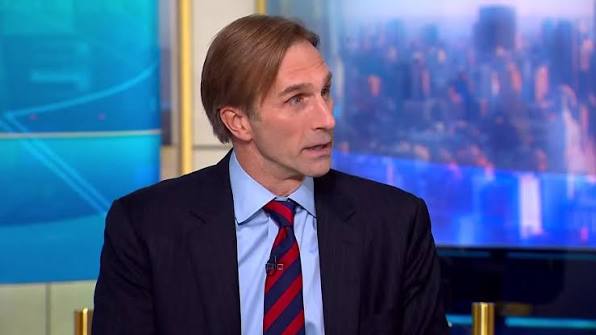
Andrew Kaiser, Global Co-Head of Financial Institutions Group at Citi, recently articulated growing concerns over the escalating demand for capital, suggesting it could place significant pressure on global financial markets. His observations highlight a complex interplay of regulatory changes, economic shifts, and evolving risk appetites that are collectively shaping the capital landscape for banks and other financial entities worldwide. This increasing need for robust capital buffers, driven by a confluence of factors, presents a formidable challenge for institutions striving to maintain stability and profitability in an unpredictable economic environment.
The foundational shift stems in large part from post-crisis regulatory frameworks, particularly Basel III and its subsequent iterations, which have mandated higher capital requirements for banks. These measures, designed to prevent a recurrence of the 2008 financial meltdown, compel institutions to hold larger reserves against potential losses. While enhancing systemic resilience, this regulatory push simultaneously constrains the amount of capital available for lending and investment, creating a more stringent operating environment. Kaiser’s analysis suggests that the cumulative effect of these regulations is now being felt acutely, as banks navigate a landscape where capital is a more precious commodity than ever before.
Beyond regulatory mandates, the current economic climate contributes significantly to this capital squeeze. Persistent inflation in many major economies, coupled with rising interest rates, means that the cost of capital itself is increasing. Lenders face higher funding costs, which in turn necessitates greater capital allocation to cover potential credit risks. Geopolitical uncertainties, ranging from ongoing conflicts to trade disputes, further exacerbate this by introducing unpredictable variables that require institutions to build even larger precautionary reserves. This dual pressure from both regulatory and economic fronts creates a challenging dynamic for financial institutions.
Moreover, the competitive landscape in finance is evolving. The rise of fintech companies and non-bank lenders, while offering new avenues for financial services, also fragments the market and introduces new forms of competition for traditional banks. These new players often operate under different regulatory regimes, creating an uneven playing field. For established banks, this means they must not only meet stricter capital requirements but also innovate and compete effectively against agile, less regulated entities, further stretching their capital resources. The demand for technology investments alone, to remain competitive, places additional strain on capital budgets.
Another critical element Kaiser touched upon involves the shifting expectations of investors and rating agencies. There’s a growing preference for institutions with stronger balance sheets and higher capital ratios, often viewing these as indicators of stability and lower risk. This investor sentiment, while rational, creates an incentive for banks to exceed minimum regulatory requirements, pushing them to accumulate even more capital than strictly mandated. This self-reinforcing cycle means that the demand for capital isn’t just a compliance issue; it’s also a market expectation that influences valuations and access to funding.
The implications of this sustained capital demand are far-reaching. For consumers and businesses, it could translate into tighter credit conditions, as banks become more selective in their lending to conserve capital. For the broader economy, a constrained financial sector might lead to slower growth, as investment and expansion opportunities are curtailed. Kaiser’s cautionary perspective from Citi serves as a crucial reminder that while robust capital is essential for financial stability, the increasing pressure to accumulate it also presents a significant challenge that requires careful navigation by policymakers and financial leaders alike to avoid unintended consequences for markets worldwide.