The retail landscape is a constant battle for relevance, particularly among younger demographics. In this dynamic environment, Coach has managed to distinguish itself, attracting an estimated 800,000 new Gen Z customers over the past year. This influx has not only revitalized the brand but has also dramatically reshaped the financial profile of its parent company, Tapestry, where Coach now accounts for a substantial 89% of total sales. This performance stands in stark contrast to some of its competitors and even other brands within the Tapestry portfolio.
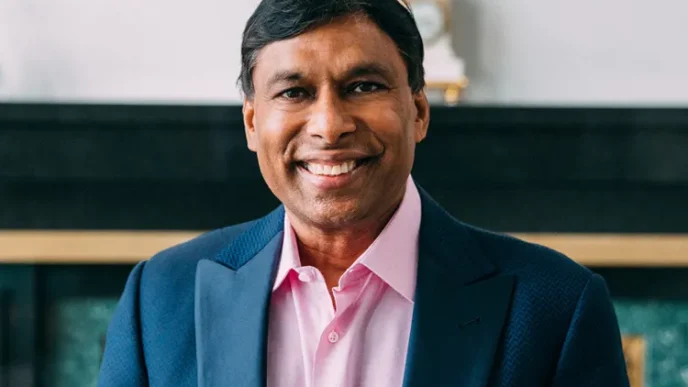
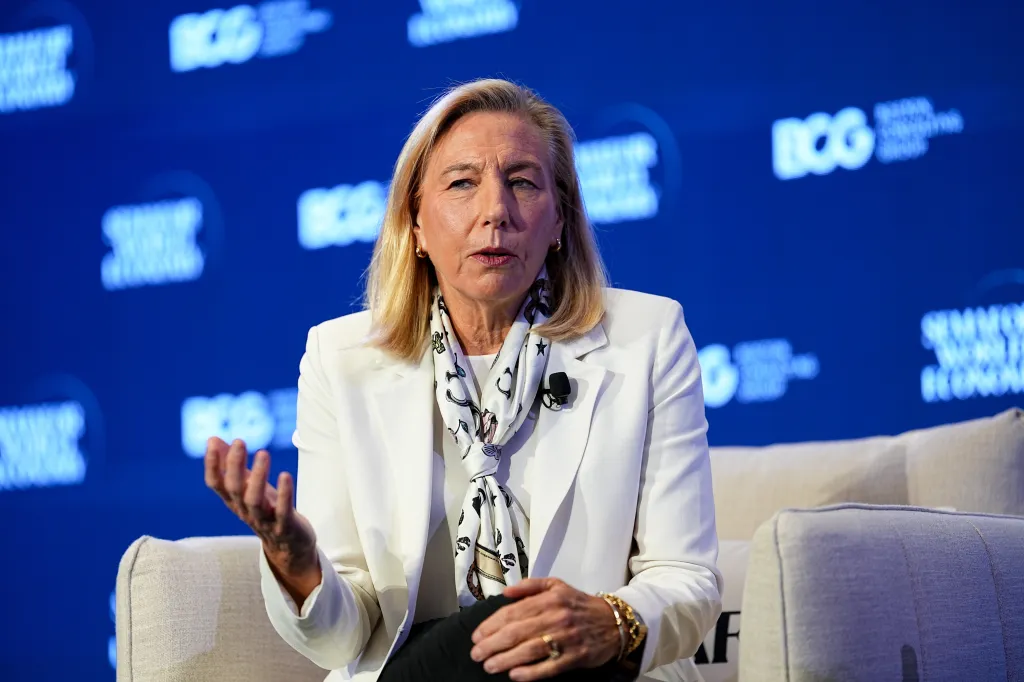
Tapestry, once a regular fixture on the Fortune 500 list, found itself navigating a challenging period, including the scuttling of its planned merger with Capri due to FTC intervention in 2024. Despite these broader corporate headwinds, CEO Joanne Crevoiserat has overseen a remarkable resurgence for Coach. The brand’s recent financial disclosures highlight this strength, with sales reaching $1.7 billion in the latest quarter. This figure outpaces a broader market trend where competitors like Michael Kors reported a 5.6% decline in sales, and even LVMH’s fashion and leather goods segment saw a 2% dip.
A significant factor in Coach’s recent success appears to be its ability to resonate with Gen Z consumers, establishing itself as a preferred brand within the accessible luxury segment. This demographic appeal is not accidental; it is underpinned by strategic investments. UBS analysts have pointed to Tapestry’s leading position in leveraging artificial intelligence for customer insights, a technological edge that likely informs Coach’s marketing and product development strategies. Furthermore, a reported billion-dollar marketing spend has undoubtedly played a role in amplifying the brand’s presence and appeal among this crucial younger demographic.
Beyond domestic market penetration, Coach has also seen substantial growth internationally, particularly in China, where sales surged by 55%. This global expansion, coupled with its domestic Gen Z appeal, paints a picture of a brand effectively executing on multiple fronts. The consistent performance of Coach casts a long shadow over other brands that were once part of the Tapestry family, such as Kate Spade, which has faced its own set of challenges, and Stuart Weitzman, which was sold last year.
The concentration of sales within a single brand, while indicative of Coach’s strength, also presents a unique dynamic for Tapestry. With Coach contributing nearly nine-tenths of its revenue, the company’s fortunes are now more closely tied to the continued success and evolution of this one brand. This strategic reality positions Coach not just as a strong performer, but as the primary engine driving Tapestry’s future, with a 2026 sales outlook set at $7.95 billion. The narrative of Coach’s recent trajectory is one of focused strategy, technological adoption, and a clear understanding of an evolving consumer base.