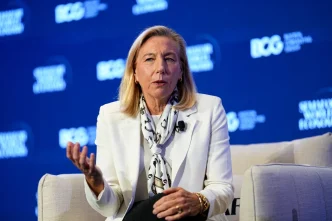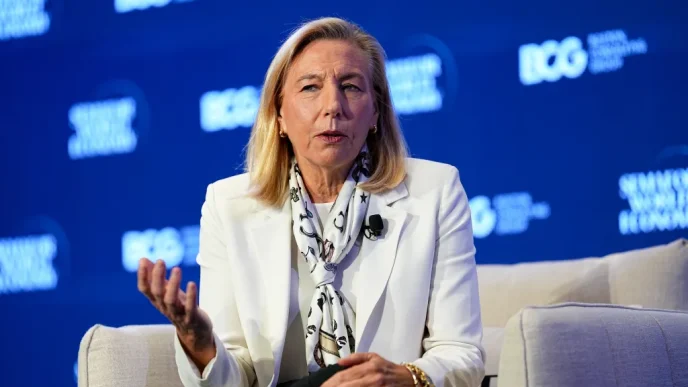

An $80 million contribution from Connie Ballmer, philanthropist and wife of former Microsoft CEO Steve Ballmer, marks a substantial infusion of capital into NPR, arriving after a period of considerable financial strain for public media. This donation positions Ballmer as the largest living individual donor to the organization, highlighting a growing reliance on private philanthropy in the wake of federal funding reductions. Her commitment arrives at a crucial juncture, as public broadcasters navigate a landscape reshaped by recent political and economic pressures.
Ballmer articulated her motivation, emphasizing the critical need for fact-based and local journalism in the current information environment. An admitted regular listener to programs like *Morning Edition* and *All Things Considered*, she underscored her belief that an informed populace forms the bedrock of society, and that robust, independent journalism is indispensable for a functioning democracy. This sentiment resonates particularly strongly given the challenges public media outlets have faced in recent years.
The timing of Ballmer’s gift is particularly salient. It follows a tumultuous period that saw the Trump administration press Congress to reduce allocated funding for the Corporation for Public Broadcasting (CPB). Although the White House did not respond to inquiries regarding these actions, the subsequent rescission of over $1 billion in public broadcasting funds by Congress created significant financial instability. While the CPB traditionally accounted for only about one percent of NPR’s overall budget, its impact on local stations was far more pronounced. Many public radio stations, especially those in rural regions, saw as much as half of their annual operating budgets disappear, with the average station losing around ten percent.
Beyond Ballmer’s individual contribution, an anonymous donor also provided $33 million, specifically earmarked to bolster NPR’s network of more than 240 local member stations. These stations were, in many instances, the hardest hit by the federal funding cuts. Katherine Maher, NPR’s president and CEO, characterized these combined gifts as “catalytic support,” framing them as foundational for the network’s resilience and future innovation over the next five decades. This collective private investment underscores a strategic pivot for public broadcasting, seeking stability and growth outside traditional government appropriations.
Ballmer’s history reveals a long-standing connection to journalism and public service. She holds a journalism degree from the University of Oregon and previously served on the NPR Foundation board, in addition to her current role on the board of the Obama Foundation. Her professional background also includes experience in public relations and marketing within the tech sector. This deep-rooted engagement in both media and philanthropy informs her current actions. Alongside her husband, Steve, she co-founded the Ballmer Group in 2015, a foundation dedicated to fostering economic mobility for children and families. The couple, whose philanthropic endeavors are substantial, have pledged at least $8 billion through 2025 and also established Rainier Climate in 2024 with their son, Sam, focusing on greenhouse gas emission reduction.
The legal aftermath of the funding cuts further complicates the financial picture for public broadcasters. An executive order signed by President Trump in May, demanding the CPB cease all federal funding to NPR and PBS due to alleged “biased and partisan news coverage,” preceded the congressional action. While a U.S. district judge later ruled in late March that Trump’s executive order was illegal and violated the First Amendment, this legal victory does not automatically reinstate the lost funding. The CPB itself formally dissolved on January 5, nearly six decades after its congressional establishment. Consequently, Ballmer’s $80 million, specifically directed towards NPR’s digital transformation to better serve public media audiences across various platforms, represents a critical step in fortifying the organization’s financial future, even if it cannot fully offset the substantial federal funding that has been withdrawn.