The prospect of a significant migration of data center operations from the Middle East to the United States introduces a complex set of challenges, particularly for America’s already stressed electrical infrastructure. This isn’t merely a theoretical exercise; geopolitical shifts and economic incentives can rapidly alter the global landscape of digital infrastructure. Should such a large-scale relocation occur, the sheer demand for power would test the limits of existing transmission and generation capabilities across various regions within the US, necessitating substantial upgrades and strategic planning.
Data centers, the physical backbone of the internet, are notoriously energy-intensive, consuming vast amounts of electricity to power servers, cooling systems, and network equipment. A single hyperscale facility can draw as much power as a small city. Integrating numerous such facilities, currently dispersed across the Middle East, into the US grid would not be a seamless process. Regions like Northern Virginia, often dubbed “Data Center Alley,” already grapple with power constraints and delayed connections for new projects, illustrating the immediate pressures such a shift would exacerbate. Other potential landing spots, perhaps in the Sun Belt or Pacific Northwest, would face similar, if not greater, hurdles in rapidly scaling their energy provisions.
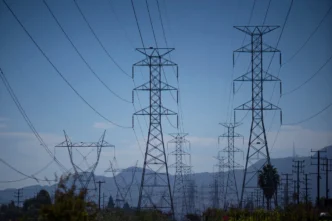
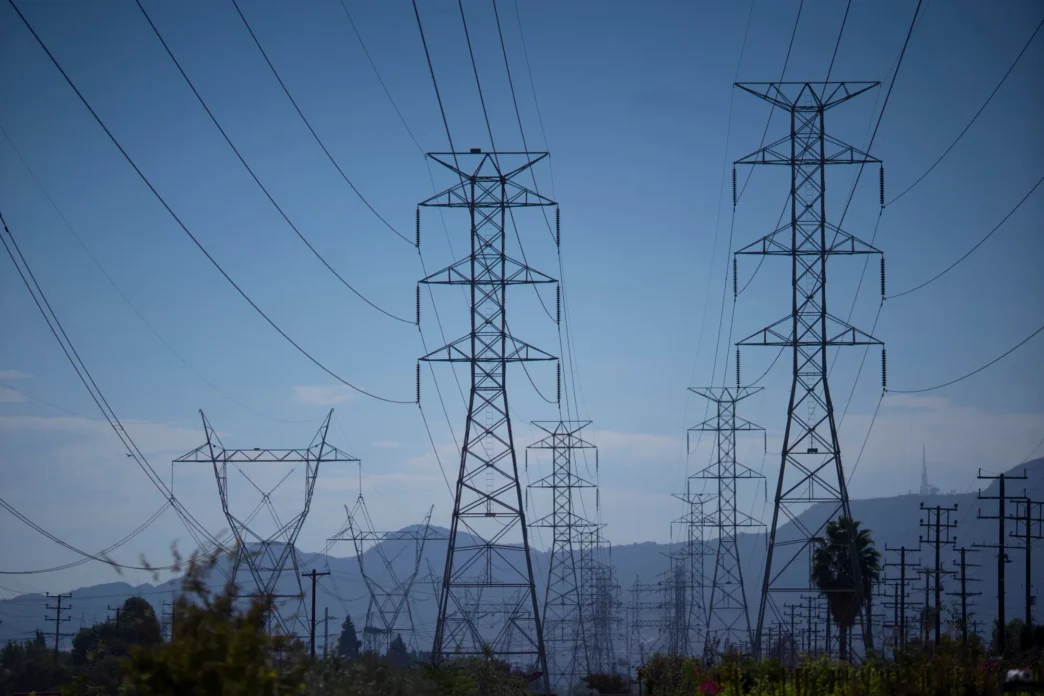
The infrastructure required to support this influx extends beyond just increasing generation capacity. Transmission lines, substations, and local distribution networks would all need significant investment and expansion. Permitting processes for new energy projects are often protracted, spanning years, which could create bottlenecks for any rapid deployment of data center capacity. Furthermore, the push for renewable energy sources, while laudable, introduces its own complexities regarding intermittency and grid stability, requiring sophisticated management systems and substantial battery storage solutions to maintain reliable power delivery.
Economic implications would also ripple through the energy sector. Increased demand would likely translate to higher electricity prices for consumers and businesses, at least in the short to medium term, as utilities invest in new infrastructure and potentially bring more expensive peak-generation plants online. There would be a competitive scramble for land, skilled labor, and critical components necessary for both data center construction and grid expansion. This scenario could also influence the regulatory environment, potentially prompting federal and state governments to streamline permitting or offer incentives for energy infrastructure development.
Consideration must also be given to the environmental footprint. While the US has made strides in integrating renewables, a sudden surge in data center demand could, in the interim, necessitate reliance on fossil fuel-based generation to meet immediate needs, potentially setting back climate goals. The location of these new facilities would be crucial, with developers needing to weigh proximity to renewable energy sources against grid stability and existing infrastructure. The long-term strategy would undoubtedly involve a push for more sustainable power procurement, but the immediate transition would present a significant challenge.
Ultimately, while the US grid possesses considerable resilience and capacity, a substantial and relatively swift transfer of data center operations from the Middle East would not be absorbed without considerable strain. It would serve as a real-world stress test, forcing accelerated investment, innovation in energy management, and potentially a re-evaluation of national energy policy to ensure both digital and energy security. The discussions around such a scenario highlight the interconnectedness of global digital commerce and the foundational role of reliable power in sustaining it.