
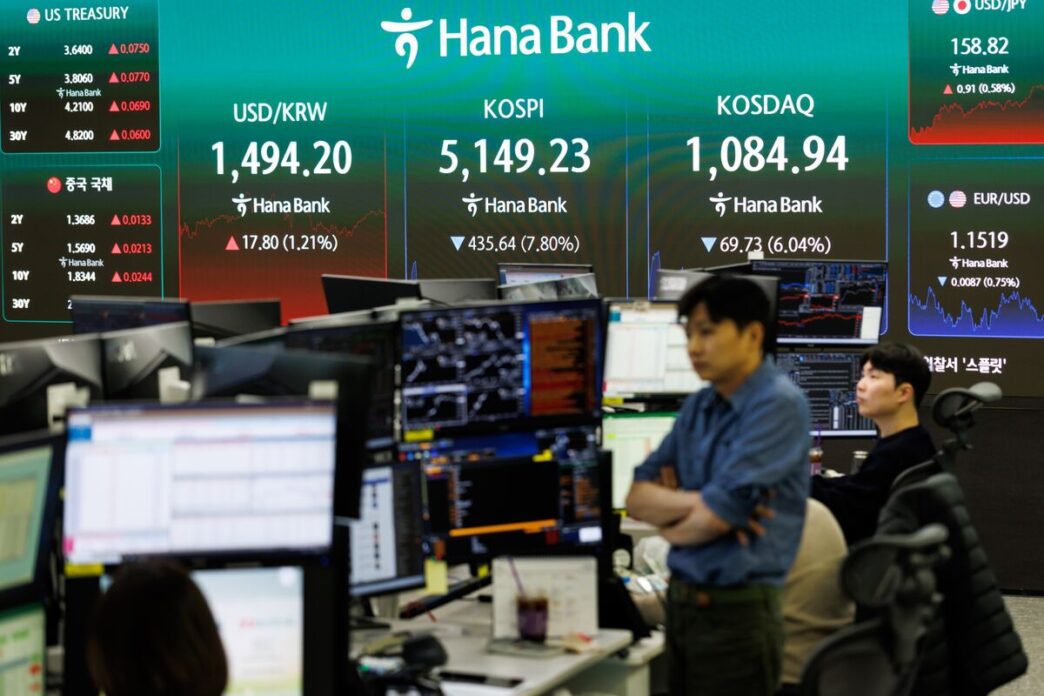
Anticipation is building around the reported May debut of leveraged exchange-traded funds (ETFs) focused on Samsung and SK Hynix. These investment vehicles, if accurate, would offer investors a more direct and amplified way to bet on the performance of two of South Korea’s most influential technology giants. The potential introduction of such specialized ETFs marks a notable development in the landscape of global semiconductor investment, providing tools that could appeal to both day traders and institutional investors looking for tactical exposure.
The specifics surrounding these proposed ETFs remain somewhat fluid, but the general understanding is they would aim to deliver magnified returns, both positive and negative, based on the daily movements of Samsung Electronics and SK Hynix stock prices. Leveraged ETFs achieve this through a combination of derivatives, such as futures and options, allowing them to target multiples of an underlying index or stock’s performance. For instance, a 2x leveraged ETF would seek to return twice the daily gain or loss of its benchmark. This amplification, while attractive during periods of strong market performance, also carries significantly higher risk during downturns or volatile periods.
Samsung Electronics, a global leader in smartphones, televisions, and memory chips, and SK Hynix, a dominant force in the global memory semiconductor market, represent significant pillars of the South Korean economy and critical components of the global technology supply chain. Their stock performance is often seen as a bellwether for the broader tech sector, particularly in memory chip cycles. The introduction of leveraged ETFs tied to these companies could, therefore, attract considerable attention from international investors seeking to capitalize on short-term movements in the semiconductor industry, which has seen its share of dramatic shifts in recent years.
The regulatory environment for leveraged products is often stringent, given their inherent risks. Any approval for these ETFs would suggest regulators in the relevant jurisdictions have assessed the potential benefits against the increased volatility and complexity these instruments introduce. It is crucial for investors considering these products to understand the daily rebalancing mechanism inherent in leveraged ETFs. This daily reset means that their long-term performance can deviate significantly from the stated multiple of the underlying asset’s long-term performance, making them generally unsuitable for buy-and-hold strategies.
Should these leveraged ETFs indeed launch in May, they would join a growing array of specialized financial products designed to offer targeted exposure to specific companies or sectors. Their success would likely depend on a confluence of factors, including market sentiment towards the semiconductor industry, the specific design and expense ratios of the ETFs, and the overall macroeconomic environment. For now, market watchers will be keenly observing for official announcements regarding these potentially impactful additions to the investment landscape.