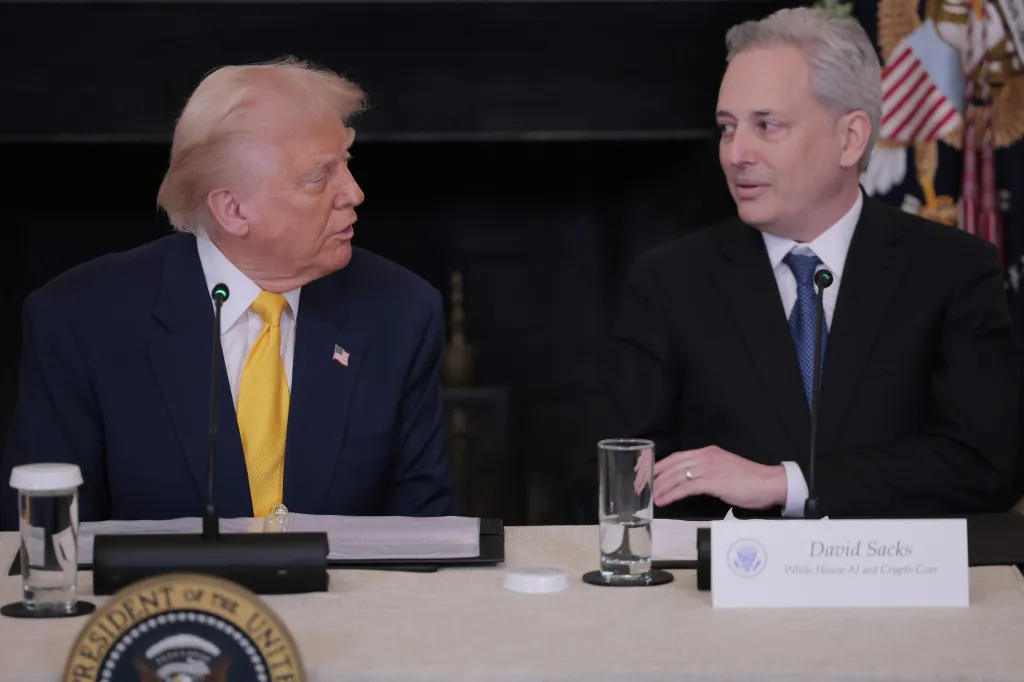
The prospect of a prolonged conflict between the United States and Iran carries potentially devastating consequences for the Gulf states, a scenario recently outlined by David Sacks, President Donald Trump’s AI and crypto czar. Speaking on the All-In podcast, Sacks suggested that despite the reported devastation of Iran’s military capabilities, the current moment presents an opportunity for de-escalation rather than further engagement. His remarks come amidst a complex political landscape where some within the Republican Party, and even initially President Trump himself, have entertained the idea of regime change, contrasting with calls for an “off-ramp” from the conflict.
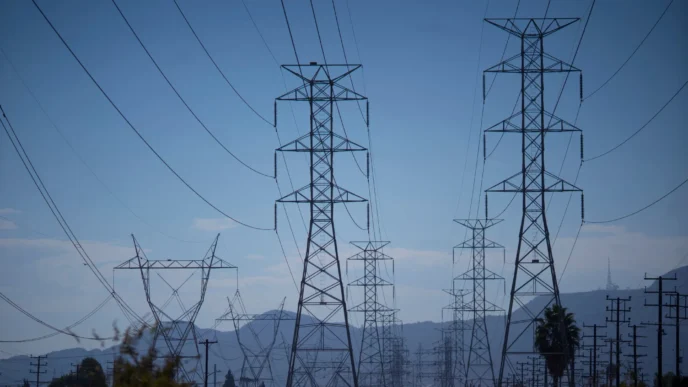
Sacks underscored the perilous nature of continued hostilities, particularly the risk of a tit-for-tat escalation targeting critical infrastructure. He painted a stark picture of a situation where both sides might focus on oil and gas facilities, rendering any future reopening of the Strait of Hormuz, currently closed by Iran, moot. The inability to restart energy production in such a scenario would have profound global economic repercussions. Beyond energy, Sacks highlighted an even more immediate humanitarian crisis stemming from potential attacks on desalination plants. These facilities are vital for providing fresh water to the region’s population, and their destruction could lead to an environment where the Gulf states become “almost uninhabitable.” He emphasized the sheer scale of the challenge, noting that 100 million people would face severe water shortages, a circumstance human beings cannot long endure.
The vulnerability extends beyond the Gulf’s southern shores. Sacks also pointed to the significant impact on Israel, which has sustained considerable Iranian attacks. He warned that if the conflict were to persist for weeks or months, large parts of Israel could face destruction. This heightened threat level for Israel, he argued, increases the risk of further escalation, including the potential contemplation of nuclear weapons. Such a progression would represent a truly catastrophic turn of events, illustrating the interconnected and highly volatile nature of the region. 
Despite the United States being a far more powerful nation, Sacks cautioned that Iran possesses what he termed a “dead man’s switch” over the economic fate of the Gulf states and potentially beyond. This leverage stems from Iran’s capacity to inflict widespread damage on critical infrastructure, effectively holding the region’s stability hostage. Given these “horrifying directions” that escalation could take, Sacks advocated for a shift towards de-escalation, suggesting that a ceasefire agreement or a negotiated settlement should be actively pursued.
His comments align with reports indicating that some administration officials are also pressing President Trump to seek a path to end the war. These officials reportedly include economic advisers who are concerned about the political fallout from rising oil prices and their potential to erode domestic support for the conflict. However, more hawkish voices within the administration continue to urge for continued pressure on Iran, citing the objective of preventing the development of nuclear weapons. This internal divergence highlights the complex decision-making process facing the White House, as the administration navigates between the economic and political risks of escalation and the perceived security imperatives of continued engagement. One Trump adviser, speaking to Reuters, characterized the President’s current stance as an attempt to balance these competing interests: allowing hawks to believe the campaign continues, signaling to markets that the war might end soon, and reassuring his base that escalation will remain limited. This delicate balancing act underscores the intricate challenges inherent in managing the ongoing geopolitical tensions in the Middle East.