Japanese confectionery powerhouse Fujiya is strategically positioning Vietnam as a pivotal export hub, a move designed to capitalize on burgeoning consumer demand across Asia while leveraging the region’s competitive labor landscape. The decision underscores a broader trend among international manufacturers seeking efficient production bases closer to expanding markets. This shift represents a significant development for Fujiya, a brand synonymous with treats like its popular Country Ma’am cookies, as it recalibrates its global supply chain.
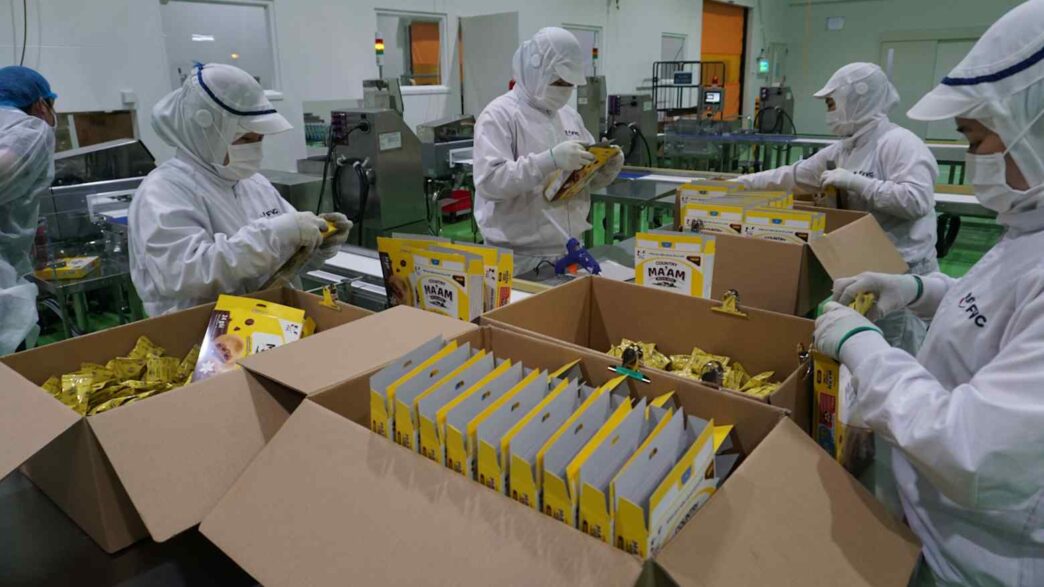
The company has already begun operations at a factory in Vietnam, where workers are actively engaged in packing products, including the aforementioned Country Ma’am cookies. This operational presence signifies more than just a production facility; it indicates a deliberate effort to establish robust logistical channels from Southeast Asia. By consolidating manufacturing and packaging in a central location like Vietnam, Fujiya aims to streamline distribution networks, potentially reducing lead times and transportation costs to various Asian markets. This tactical realignment is critical in a fast-paced consumer goods sector where responsive supply chains can often dictate market share.
Fujiya’s strategy is not an isolated incident but rather reflects a growing understanding among global firms that traditional manufacturing models, heavily reliant on a single dominant production base, may no longer be optimal. The allure of lower labor costs in countries like Vietnam provides an undeniable economic advantage, allowing companies to maintain competitive pricing in diverse markets. However, the decision extends beyond mere cost-cutting; it also involves proximity to a consumer base that is experiencing rapid economic growth and an increasing appetite for imported goods, particularly well-known international brands.
The focus on Asia as a primary target for increased exports highlights the continent’s undeniable economic dynamism. As disposable incomes rise across various Southeast Asian nations, so too does the demand for discretionary items, including confectionery. Fujiya’s proactive step to establish a dedicated export hub suggests a long-term vision for penetrating these markets more deeply, moving beyond sporadic shipments to a more consistent and integrated supply strategy. This could translate into a wider availability of their products, enhancing brand recognition and loyalty among new demographics.
Ultimately, Fujiya’s investment in Vietnam as an export center signals a calculated evolution in its international business model. It combines the strategic advantages of cost-effective manufacturing with the imperative of market proximity, aiming to secure a stronger foothold in the competitive Asian confectionery landscape. The success of this venture will likely be closely watched by other food and beverage companies considering similar expansions into the region.