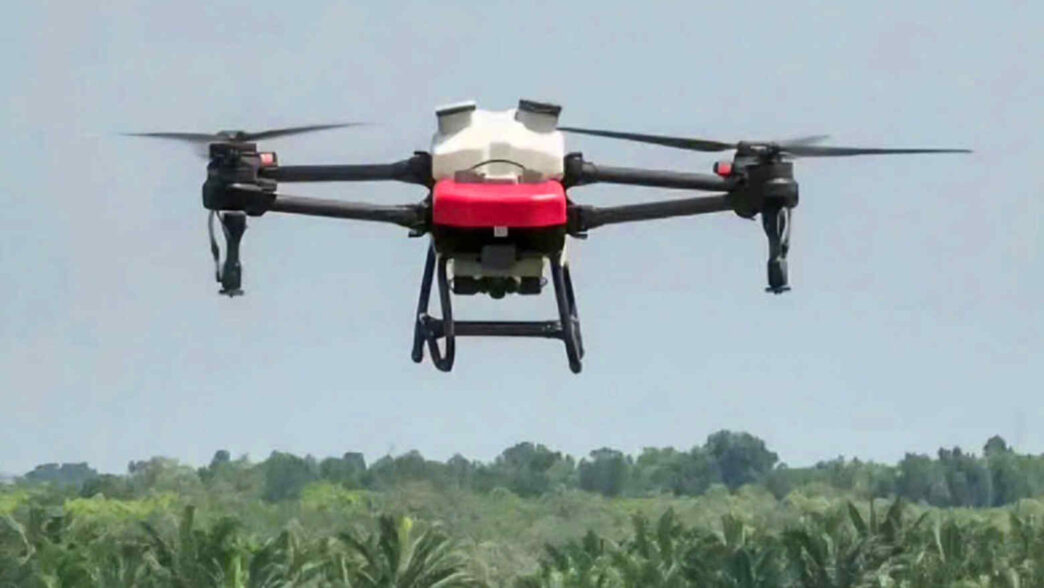
The familiar sight of a delivery rider navigating Ho Chi Minh City’s bustling streets might soon be augmented, or perhaps even replaced, by something soaring above. City authorities are actively exploring the integration of drone technology into their logistics infrastructure, a move that could redefine urban delivery services. This past December, a workshop hosted by the Ho Chi Minh City Department of Science and Technology provided a venue for testing these unmanned aerial vehicles, signaling a tangible step towards a future where online shopping orders arrive not by motorbike, but by air.
This initiative comes as urban centers worldwide grapple with increasing traffic congestion and the environmental impact of traditional delivery methods. Ho Chi Minh City, a sprawling metropolis with a rapidly expanding e-commerce sector, faces these challenges acutely. The prospect of drones bypassing ground-level obstacles presents a compelling argument for their adoption, potentially offering quicker transit times and a reduction in road-based vehicle emissions. The Department of Science and Technology’s involvement underscores a strategic, government-backed push to leverage advanced technology for practical urban solutions.
The practicalities of implementing such a system are, of course, complex. Regulatory frameworks for drone operation in dense urban airspace, safety protocols for flight paths over populated areas, and the infrastructure required for charging, maintenance, and dispatch all represent significant hurdles. Yet, the demonstration of drone capabilities at the December workshop indicates a serious commitment to overcoming these challenges. It suggests that officials are moving beyond theoretical discussions, engaging directly with the technology and its potential applications.
Should these tests prove successful and scalable, the implications for businesses and consumers in Ho Chi Minh City could be substantial. For online retailers, it could mean faster delivery windows, particularly for time-sensitive goods or for reaching areas with difficult ground access. Consumers, in turn, might experience unprecedented convenience, with purchases arriving more swiftly and perhaps even at reduced delivery costs, depending on the operational efficiencies achieved by drone fleets.
The broader context of this development places Ho Chi Minh City among a growing number of global cities experimenting with drone logistics. From medical supply delivery in remote regions to parcel services in suburban areas, the technology is steadily gaining traction. However, deploying drones within a highly urbanized, densely populated environment like Ho Chi Minh City presents a unique set of demands and opportunities, making the city’s pilot program a significant case study for future urban planning. The coming months will likely reveal more about the specific models being tested, the initial operational zones, and the timeline for a potential rollout, offering a clearer picture of when residents might look skyward for their next online purchase.