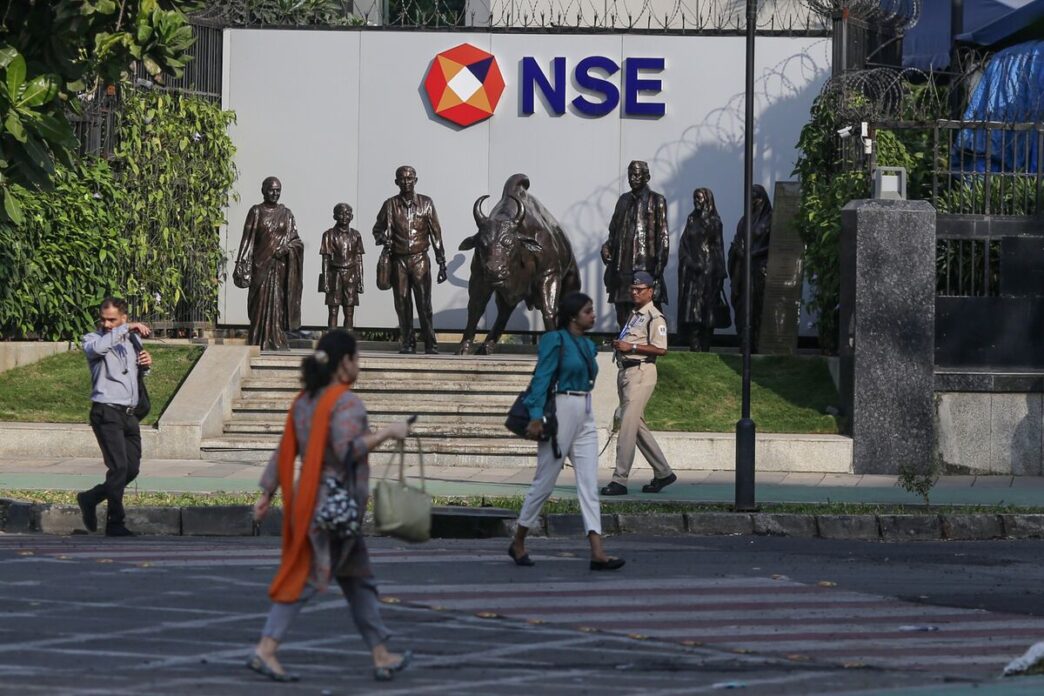
The National Stock Exchange of India (NSE), a pivotal institution in the country’s financial landscape, is reportedly targeting an initial public offering (IPO) within the next seven to eight months. This potential move, as reported by CNBC, would mark a significant development for one of the world’s largest exchanges by trading volume. For years, discussions surrounding the NSE’s public debut have circulated through financial circles, often punctuated by regulatory hurdles and internal considerations. The current timeline suggests a renewed impetus, potentially signaling a clearing of some of those long-standing obstacles.
Such a listing would offer investors a direct stake in India’s burgeoning capital markets, which have seen substantial growth and increased participation over the past decade. The NSE, established in 1992, has been instrumental in modernizing India’s trading infrastructure, introducing electronic trading systems and fostering transparency. Its indices, particularly the Nifty 50, are widely recognized benchmarks for the Indian economy, influencing investment decisions globally. A public offering would subject the exchange itself to the scrutiny of public markets, a transition that carries both opportunities for capital infusion and increased accountability.
Sources familiar with the matter, speaking to CNBC, indicated that preparations are underway, though specific details regarding valuation or the size of the offering remain undisclosed. The process of taking an exchange public is inherently complex, involving detailed regulatory approvals from various bodies, including the Securities and Exchange Board of India (SEBI). These approvals often hinge on governance structures, compliance frameworks, and the exchange’s overall operational integrity. The timeline suggested implies confidence in navigating these regulatory pathways efficiently.
An IPO by the NSE could also have broader implications for India’s financial ecosystem. It would provide a liquidity event for existing shareholders, which include a diverse mix of domestic and international financial institutions. Furthermore, it could set a precedent or encourage other key financial infrastructure entities in India to consider similar public listings, thereby deepening the transparency and accessibility of the country’s financial markets. The listing would also offer retail investors a chance to invest directly in a company that underpins a significant portion of their own investment activities.
The decision to pursue an IPO comes at a time when Indian markets are attracting considerable foreign investment, driven by a robust economic outlook and structural reforms. The performance of recent Indian IPOs, particularly those from the technology and financial sectors, has been varied, highlighting the importance of timing and valuation. For the NSE, a successful listing would not only validate its operational strength but also underscore the maturity and potential of India’s capital markets on a global stage. The coming months will undoubtedly see more specifics emerge as the exchange moves closer to this long-anticipated public debut.