The steady ascent in industrial metal prices, a defining characteristic of recent weeks, has begun to show fissures, with both aluminum and copper registering declines. This marks a notable shift after a period of robust gains driven by optimism over global manufacturing recovery and potential supply constraints. Investors and analysts are now closely scrutinizing whether this downturn represents a temporary correction or the initial phase of a broader market recalibration following an extended rally.
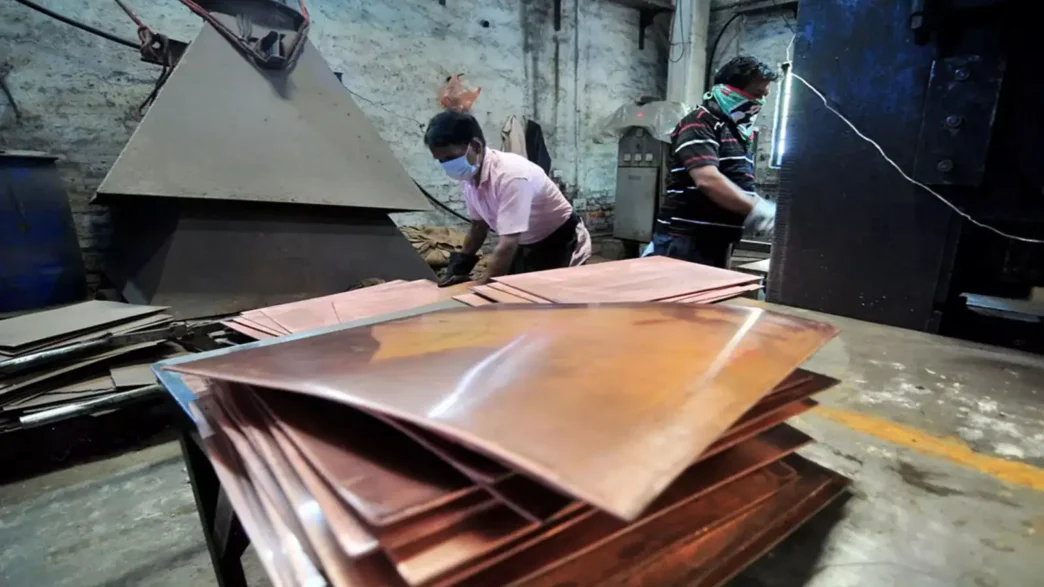
Copper, often viewed as a bellwether for global economic health dueored to its widespread use across industries, saw its price ease from multi-year highs. The red metal had benefited from a narrative of tightening supply amid persistent demand, particularly from the burgeoning electric vehicle and renewable energy sectors. However, recent trading sessions suggest that some of that bullish momentum is dissipating, perhaps influenced by a strengthening dollar or profit-taking after significant appreciation. Market participants are weighing the long-term fundamentals of electrification against immediate macroeconomic indicators that might signal a slowdown in industrial activity.
Similarly, aluminum, another critical industrial metal, experienced a pullback. Its trajectory had largely mirrored copper’s, propelled by expectations of increased infrastructure spending and a rebound in construction. The decline in aluminum prices indicates that the broader metals complex is not immune to shifts in market sentiment or macro-economic pressures. Both metals had seen their values climb substantially, prompting some observers to question the sustainability of such rapid growth without corresponding, equally robust demand surges.
The cooling of this metals rally is not isolated to just these two commodities. Other base metals, while perhaps not experiencing identical sharp declines, have also seen their upward trajectories flatten or reverse. This collective movement suggests a broader re-evaluation across the sector. Factors such as fluctuating energy prices, which heavily impact production costs for energy-intensive metals like aluminum, and evolving geopolitical landscapes contribute to the current volatility. Supply chain disruptions, once a major driver of price increases, are also showing signs of easing in some areas, potentially reducing some of the upward pressure on prices.
Market analysts are now focusing on upcoming economic data releases, particularly manufacturing output figures and inflation reports from major economies. These indicators will provide crucial insights into the true state of industrial demand and the likelihood of sustained economic recovery. The interplay between central bank policies, interest rate expectations, and commodity markets remains a complex dance, with each element influencing the others. A tighter monetary policy, for instance, could dampen demand by increasing borrowing costs for industrial projects, thereby impacting metal consumption.
Looking ahead, the trajectory of aluminum and copper, alongside other industrial metals, will likely hinge on a delicate balance of supply-side developments and demand resilience. While the long-term outlook for these metals appears constructive, supported by global decarbonization efforts and urbanization trends, the short-to-medium term could be characterized by increased volatility as markets digest recent gains and recalibrate expectations. The current dip serves as a reminder that even the strongest rallies are subject to market corrections, prompting a cautious approach from investors monitoring these essential industrial components.