Just yesterday, the prevailing sentiment among many financial analysts and market participants suggested a significant likelihood of the Federal Reserve initiating an interest rate cut. This optimistic outlook, fueled by earlier indications of cooling inflation, has now largely evaporated. Recent economic data, particularly concerning inflation and the labor market, have prompted a sharp recalibration of expectations, pushing the probability of a rate reduction this month to near zero in the eyes of many traders. The shift reflects a growing consensus that the central bank will maintain its current hawkish stance for longer than previously anticipated, prioritizing a sustained return to its 2% inflation target.
The catalyst for this abrupt change in market sentiment stems from a series of economic reports released over the past week. Consumer price index figures, for instance, showed a stubbornly persistent increase, defying predictions of a more substantial moderation. While some components of the CPI did decelerate, the overall picture painted a less encouraging scenario for those hoping for immediate monetary easing. Furthermore, robust employment numbers, including a lower-than-expected unemployment rate and solid wage growth, have added another layer of complexity. These indicators suggest that the economy remains resilient, potentially fueling inflationary pressures if demand continues to outstrip supply.
Traders, who often operate on the razor’s edge of economic predictions, have responded swiftly. Futures contracts tied to the federal funds rate now overwhelmingly price in the current rate remaining unchanged at the upcoming Federal Open Market Committee meeting. This stands in stark contrast to projections from just a few weeks ago, when a meaningful percentage of these contracts signaled a rate cut. The implications of this revised outlook are far-reaching, influencing everything from bond yields to corporate borrowing costs and the valuation of equities. Companies that had been banking on cheaper credit in the near term may now need to adjust their financial strategies, facing a prolonged period of higher interest expenses.
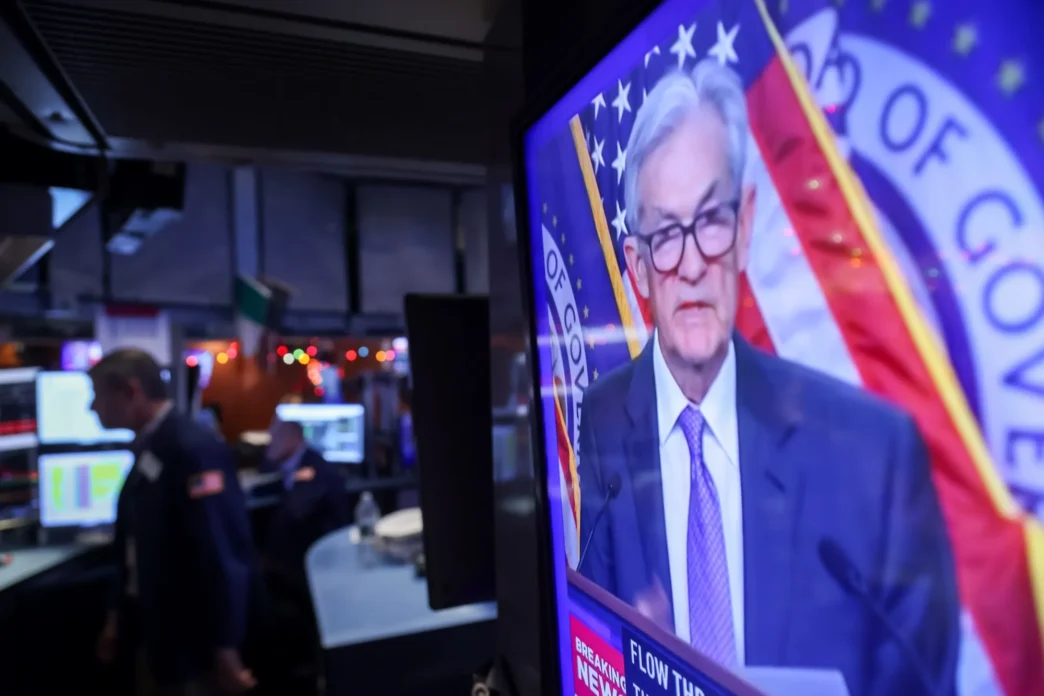
The Federal Reserve itself has consistently reiterated its data-dependent approach, emphasizing that policy decisions will be guided by the totality of incoming economic information. Chair Jerome Powell and other Fed officials have repeatedly stressed the importance of seeing clear and convincing evidence that inflation is on a sustainable path back to their target. The latest data points, however, appear to have complicated that narrative, suggesting that the path might be bumpier and longer than initially hoped. This cautious stance by the central bank, coupled with the recent economic prints, has effectively pushed back the timeline for any potential easing measures.
For consumers, the sustained high interest rate environment means that borrowing costs for mortgages, auto loans, and credit cards will likely remain elevated. This could continue to exert pressure on household budgets, especially for those with variable-rate debt. Businesses, too, will continue to face a more challenging financing landscape, potentially impacting investment decisions and hiring plans. The market’s current assessment reflects a recognition that the Fed’s primary battle against inflation is far from over, and that patience, rather than preemption, will define the central bank’s actions in the immediate future. The focus now shifts to subsequent economic reports and the Federal Reserve’s forward guidance for any signs of a renewed prospect for rate adjustments later in the year.