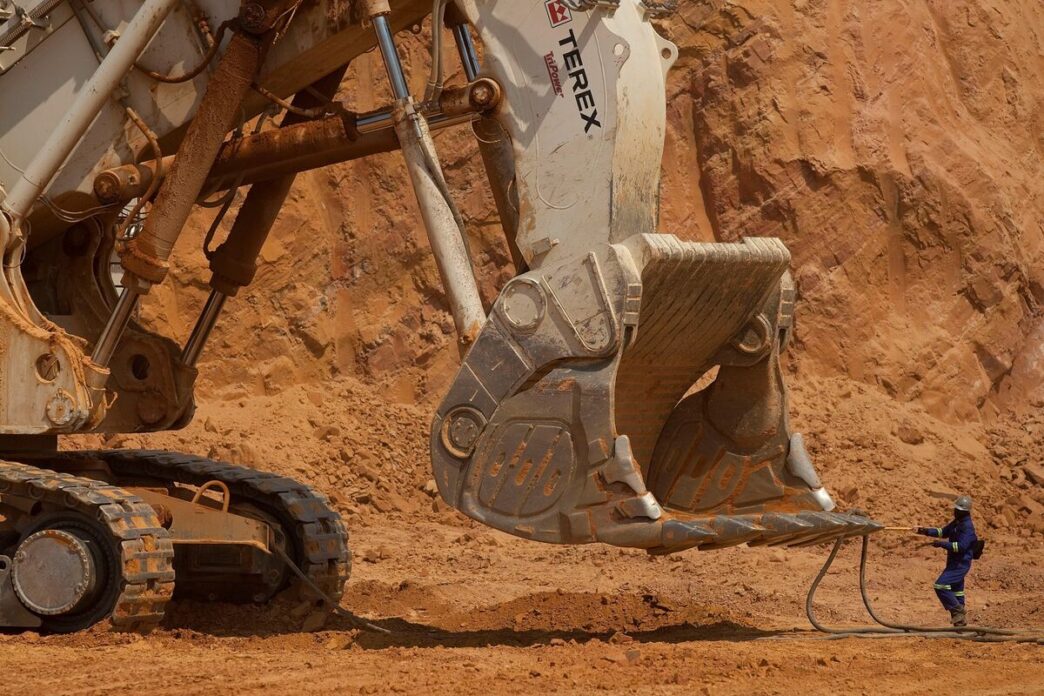
Glencore, one of the world’s largest commodity producers and traders, is doubling down on copper as the metal of the global energy transition. But the company’s bold promises about future production, supply growth, and price upside are increasingly demanding a level of investor faith that many see as difficult to sustain without clearer evidence of execution.
Copper is widely regarded as the backbone of electrification—from electric vehicles and renewable power grids to data centers and advanced electronics. As global demand rises, miners are racing to develop new projects, expand existing operations, and secure long-term supply routes. Glencore has positioned itself as a champion of this new copper era, placing copper at the core of its strategic narrative. Yet analysts argue that the company’s projections depend on factors that remain volatile, speculative, and heavily exposed to geopolitical and operational risks.
The result is an industry paradox: a metal essential to the future, a company promising major growth, and a market grappling with whether the optimism is justified.
Copper: The “New Oil” of the Energy Transition
Copper demand is expected to surge over the next decade, driven by:
- Electric vehicle manufacturing (4x more copper per unit than combustion vehicles)
- Offshore and onshore wind power
- Solar infrastructure
- Transmission lines for renewable energy integration
- AI and data center expansion
- Grid modernization
Global consultancies forecast a significant structural deficit beginning as early as 2026, with demand outpacing supply by millions of tonnes annually unless new projects come online.
This narrative underpins Glencore’s bullish stance. The company argues that it is strategically positioned to supply a metal that the world cannot decarbonize without. But turning that vision into reality is far more complicated.
Glencore’s Copper Growth Plan: Ambitious but Uncertain
Glencore has made several claims about its ability to expand copper output through:
1. Existing Tier-One Assets
Operations in the Democratic Republic of Congo, Peru, and Australia remain central to its production base.
2. Potential Project Expansions
The company has floated multiple scenarios for extending life-of-mine horizons and increasing throughput.
3. M&A Opportunities
Glencore has repeatedly signaled willingness to acquire copper-rich assets—most notably its pursuit of Teck Resources’ coal assets, which some investors view as indirectly linked to copper strategy.
4. Recycling and secondary supply
The company markets itself as a leader in copper scrap recovery and circular economy initiatives.
Yet several investors and analysts say the company’s timelines, volumes, and cost assumptions remain unclear—especially compared to peers like BHP and Rio Tinto, which have published more explicit and technically verified production frameworks.
The Challenges: Geopolitics, Regulation, and Operational Complexity
Copper mining is fraught with hurdles that go well beyond optimistic forecasts.
• Geopolitical Risk
Many of Glencore’s most valuable assets sit in high-risk jurisdictions:
- The DRC, where political instability threatens operational continuity
- Peru, affected by social unrest and regulatory unpredictability
- Zambia, with shifting tax regimes
These environments have historically led to production interruptions.
• Regulatory and Environmental Constraints
Global pressure on mining’s environmental footprint is rising:
- Water usage restrictions
- Tailings management scrutiny
- Carbon intensity reporting
- Local community opposition
New copper projects can take 10–15 years to permit and build.
• Ore Grade Decline
Many of the world’s largest mines are aging, with falling grades that increase production costs.
• Energy Costs and Supply Chain Disruptions
Mining is highly energy-intensive, and power instability—particularly in emerging markets—poses a persistent risk.
Given these constraints, Glencore’s optimistic production ramps require near-flawless execution.
Investor Skepticism: Where the Blind Faith Comes In
Institutional investors say that while they agree with the long-term copper story, Glencore’s messaging asks them to accept several leap-of-faith assumptions:
1. That Glencore Can Solve Complex Operational Issues Quickly
Past operational setbacks raise questions about whether future issues can be resolved without costly delays.
2. That Copper Prices Will Rise Enough to Justify New Investment
Higher prices are not guaranteed, especially with:
- Chinese demand uncertainty
- Substitutes and engineering efficiencies
- Potential recycling improvements
- Market volatility tied to global monetary policy
3. That Political Conditions in Key Regions Will Stabilize
This is far from certain.
4. That M&A Will Be Successful and Value-Accretive
Competition for copper assets is fierce, and prices for acquisitions are rising.
5. That Capital Discipline Will Not Be Compromised
Glencore promises strong returns, but investors worry about multibillion-dollar capex cycles eroding free cash flow.
For many investors, Glencore’s copper plan looks less like a roadmap and more like an aspiration dependent on favorable luck.
Copper Prices: The Market Is Moving, but Not Fast Enough
Copper prices have risen significantly from their pandemic lows, but remain below the levels many miners say are necessary to justify greenfield megaprojects.
Analysts note:
- Supply disruptions have not consistently translated into sustained price rallies
- Chinese demand remains volatile
- U.S. and European industrial activity is unpredictable
- Speculative flows often overpower fundamentals
For Glencore’s projections to hold, copper would likely need sustained prices well above current levels.
Is Glencore Overpromising—or Simply Ahead of the Curve?
Supporters of Glencore’s strategy argue:
- The world will face an unavoidable copper shortage
- Glencore has some of the best assets positioned for long-term supply
- The company’s trading arm gives it flexibility that miners like Rio and BHP lack
- Long-term electrification trends guarantee rising demand
From this perspective, Glencore is not overpromising—it is preparing for the inevitable.
Skeptics counter:
- The company’s forecasts lack detailed technical and commercial grounding
- The political and operational risks are too high
- Production targets rely on uncertain expansions and acquisitions
- The global transition may face its own bottlenecks or policy shifts
The reality likely lies somewhere in the middle: Glencore’s copper vision is directionally correct, but timing and execution remain uncertain.
What Investors Want From Glencore Now
To build confidence, investors are calling for:
• Transparent, asset-by-asset production forecasts
Including ore grade expectations and capex schedules.
• Clear M&A strategy articulation
Especially concerning copper-rich targets.
• Detailed reporting on ESG risk mitigation
Particularly for high-risk jurisdictions.
• Capital discipline assurances
Investors fear overspending in pursuit of growth.
• Realistic timelines
Most copper projects will not materially increase supply for several years.
Until then, skepticism will persist.
Conclusion: Copper’s Future Is Bright—But Glencore’s Path Remains Uncertain
Glencore may be right about copper’s central role in the global economy. The metal is indispensable to electrification, energy transition, and industrial modernization. But the company’s ability to capitalize on this megatrend hinges on navigating some of the mining industry’s most difficult operational, regulatory, and geopolitical challenges.
Investors are not rejecting Glencore’s copper thesis—they are questioning the company’s ability to deliver on it without greater transparency and more grounded execution plans.
For now, Glencore’s vision requires confidence that the world will need more copper—and that Glencore will be the one to supply it. Whether that confidence proves justified will become clear only over the next decade.